
Second Episode!
Listen to Episode 2 on PodBean, Spotify, YouTube, or your podcast source of choice!
We are now on Episode 2, and once again this blog post will have some extra links and information having to do with our most recent episode.
This one was all about Crocodilians Past and Present.
Paleo News
Here are the links to our news items for this episode.
Earliest Deuterostome
A small fossil discovered in China may be the earliest ancestor of all deuterostomes, a group including echinoderms and chordates, and therefore us. [News Report]
Dinosaur Proteins
Two recent studies provide evidence of fossilized proteins in two different dinosaur fossils, something that until recently was unheard of. [News Report]
Wolf-Sized Otter
A fossil otter, also from China, was roughly 100 lbs (the size of a modern wolf), and raises questions about otter evolution and family history. [News Report]
Australia Megafauna Extinction
A pair of studies just came out regarding the debate over whether the fossil megafauna of Australia were pushed to extinction by climate change or the appearance of humans.
The first says it was the climate. [News Report]
The next says it wasn’t. [News Release]
What are Crocodilians?
This group includes alligators, crocodiles, caimans, and the Indian gharial. There are roughly 24 extant (living) species and they are found on every continent except Europe and Antarctica. They include the largest living species of reptiles and are some of the few reptiles that still act as dominant predators in their ecosystems.
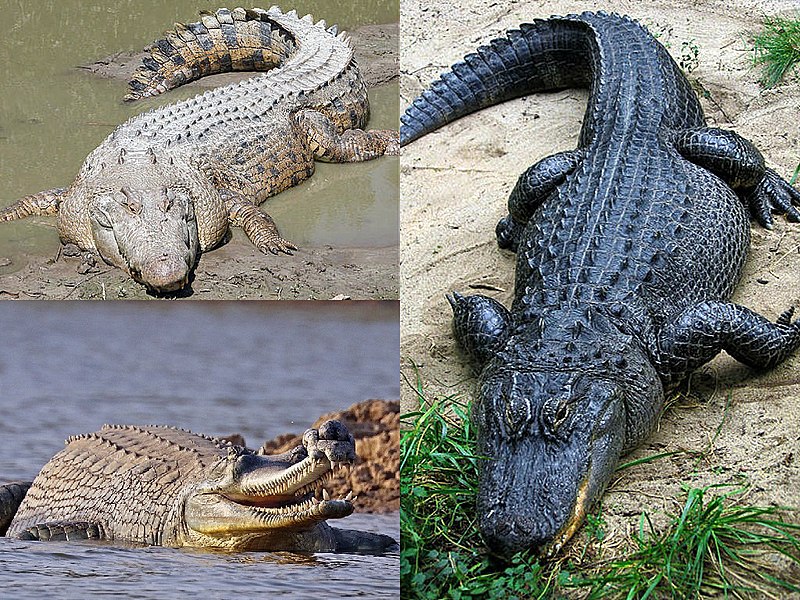
These large aquatic reptiles all live in similar environments and have familiar body designs. All have relatively short legs, powerful tails, and long flat jaws. Though there is variety among these traits, they are all easily recognizable as relatives. But this was not always the case, with their fossil record holding some truly unique specimens.
Fossil Crocodilians
The ancestors of the modern groups of crocodilians first appear in the fossil record in the late Cretaceous about 100 million years ago. Though many resembled those that we see today, others were adapted for very different lifestyles. One extreme example is the now-extinct pristichampsids. These were hoof-toed crocodilians built for running their prey down on land.
There were also some truly colossal species that lived during and after the “Age of Reptiles”.

Crocodylomorpha and More
The larger group Crocodylomorpha includes the ancient relatives of the crocodilians and has some of the most diverse forms of croc-like animals. This group fell within the larger classification of Archosauria, a reptilian grouping that was split between the crocodilian ancestors and cousins, and those of birds and other dinosaurs.
The crocodylomorphs included marine species, plant eaters, mammal mimics, and even more terrestrial predators.
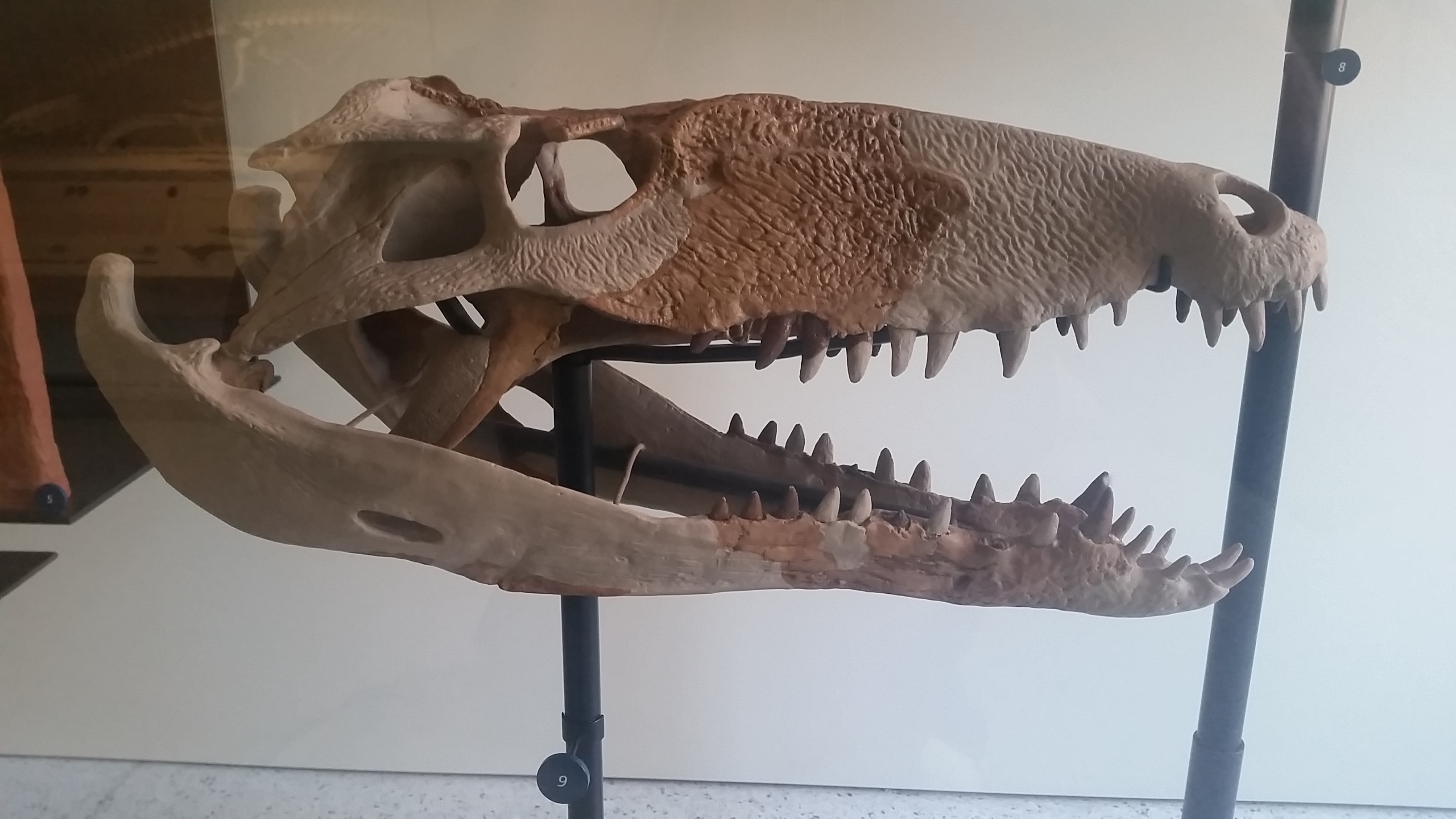
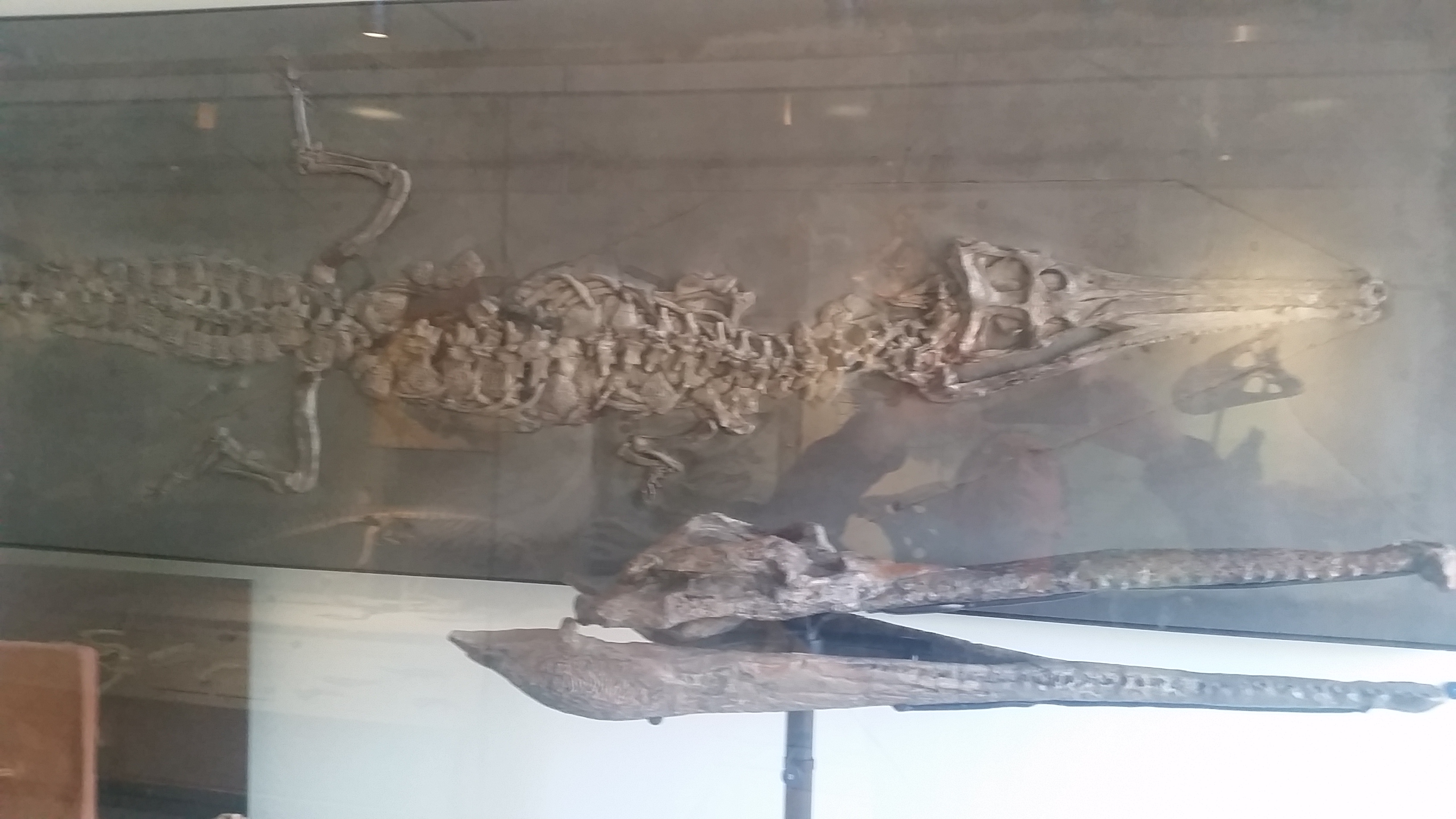
There were even more ancient cousins of the crocodylomorphs, the very earliest ancestors of crocodilians that appeared at the beginning of the age of dinosaurs. Some of these were the dominant land predators of their time.
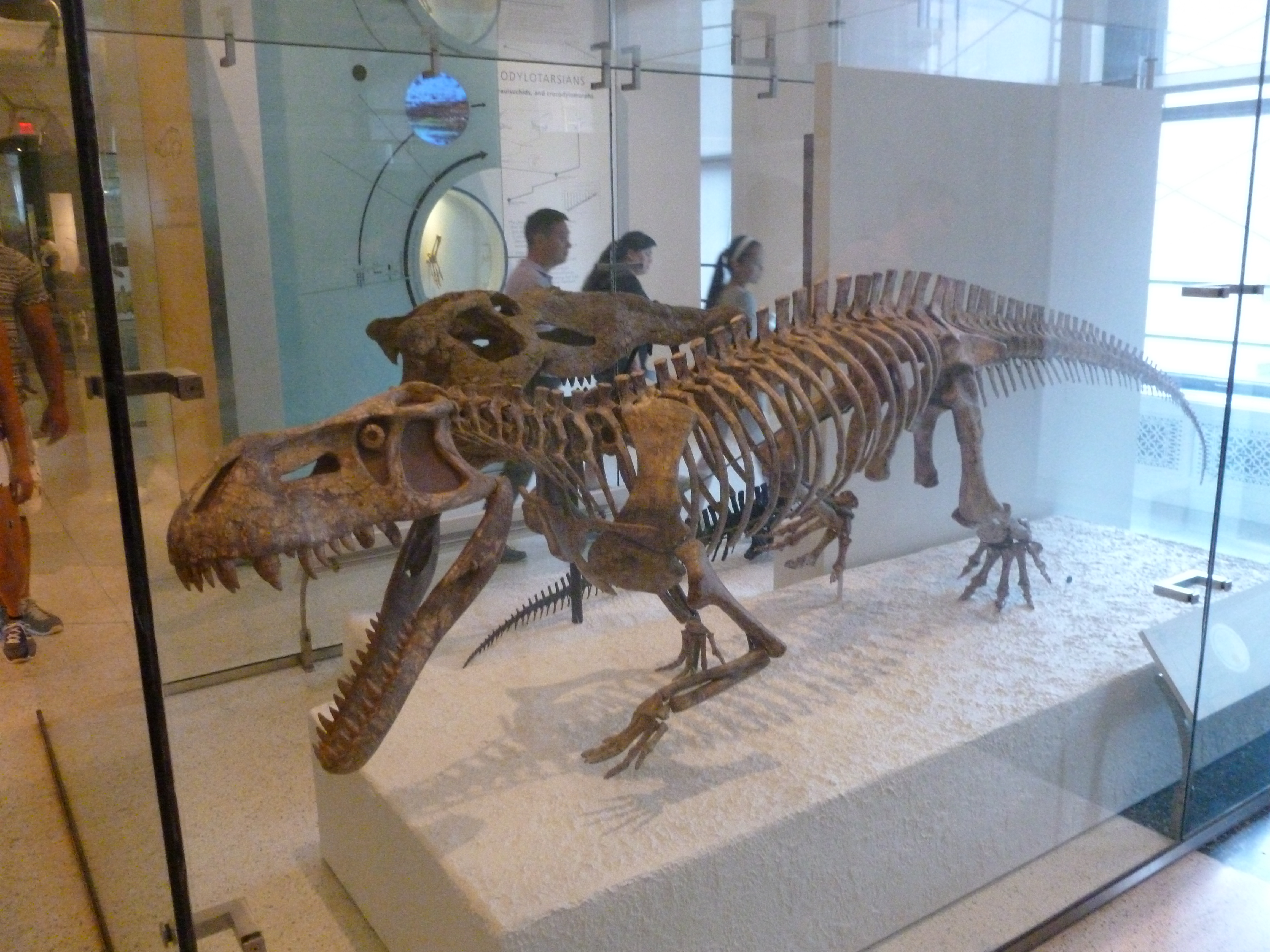
There were even animals unrelated to crocodilians that shared their body plan and lifestyle, like the phytosaurs.

If you’re looking for more details or information about crocodilians and their family history, a fantastic book to look into is Biology and Evolution of Crocodylians by Gordon Grigg and David Kirshner. An excellent overview of the group.
The UCMP Berkeley archosaur webpage is also a great place to learn about the evolutionary history of crocs and their relatives.
—
If you enjoyed this topic and want more like it, check out these related episodes:
We also invite you to follow us on Twitter, Facebook, or Instagram, buy merch at our Zazzle store, join our Discord server, or consider supporting us with a one-time PayPal donation or on Patreon to get bonus recordings and other goodies!
Please feel free to contact us with comments, questions, or topic suggestions, and to rate and review us on iTunes!


Leave a comment