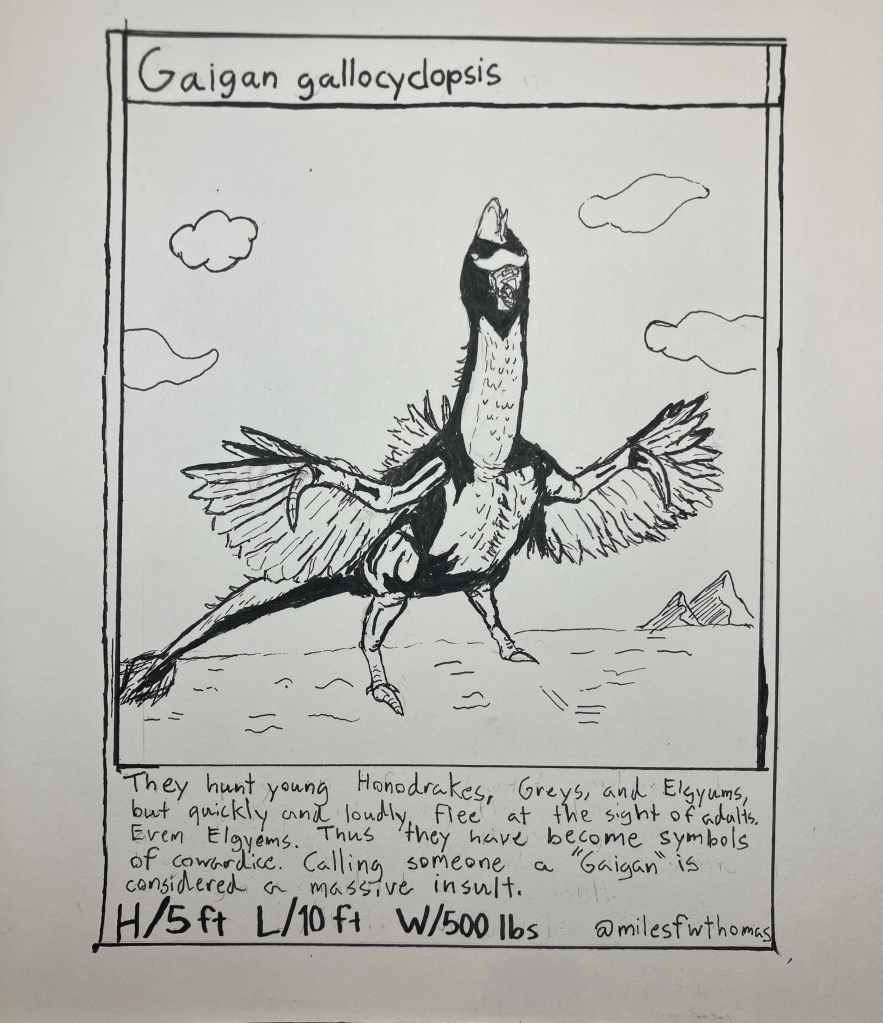
Every now and then, our podcast discussions inspire our listeners to produce fantastic works of art!
Here is a gallery of some of our favorite pieces!
(If your work is featured here, and you’d like us to change the way the art is portrayed or credited, please let us know.)
General Fan Art

by Darwin

by Darwin

by Darwin

by Elijah Froese

by Clara Takahashi

by Frederic Cristy

by Frederic Cristy


by Amanda Grunwald


by Philip Sink

by James Cook

by Clara Takahashi

by Jenna Jacobs

by Danger Spaghetti

by Danger Spaghetti

by Ryan the Biochemist

by Dorky

by Alair

by DesziRx

by Miles Thomas

by Ryan the Biochemist

by DesziRx

by Ryan the biochemist

by TheaLizard

by DesziRx

by Serpentine

by Ryan the biochemist

by Malmo


by FariSa

by Guerric

by DesziRx


Spook-E Fan Art
This is our Speculative evolution series. Here you can see the amazing art that our listeners have made for the creatures we’ve created over the years.
Vampires
A large burrow dwelling shrew that uses its venomous bite to subdue and paralyze prey so it can feed on their blood for a longer time in the safety of their den.


Fish People
An early diverging tetrapod, that retains the many fingered hands our ancestors once had. They evolved to climb up mangrove trees, leading to their very primate-like shape.


Zombies
A parasitic tongue eating isopod that has adapted to humans. They alter the biochemistry of their host, driving them to bite others in an attempt to spread the isopods young.


Harpies
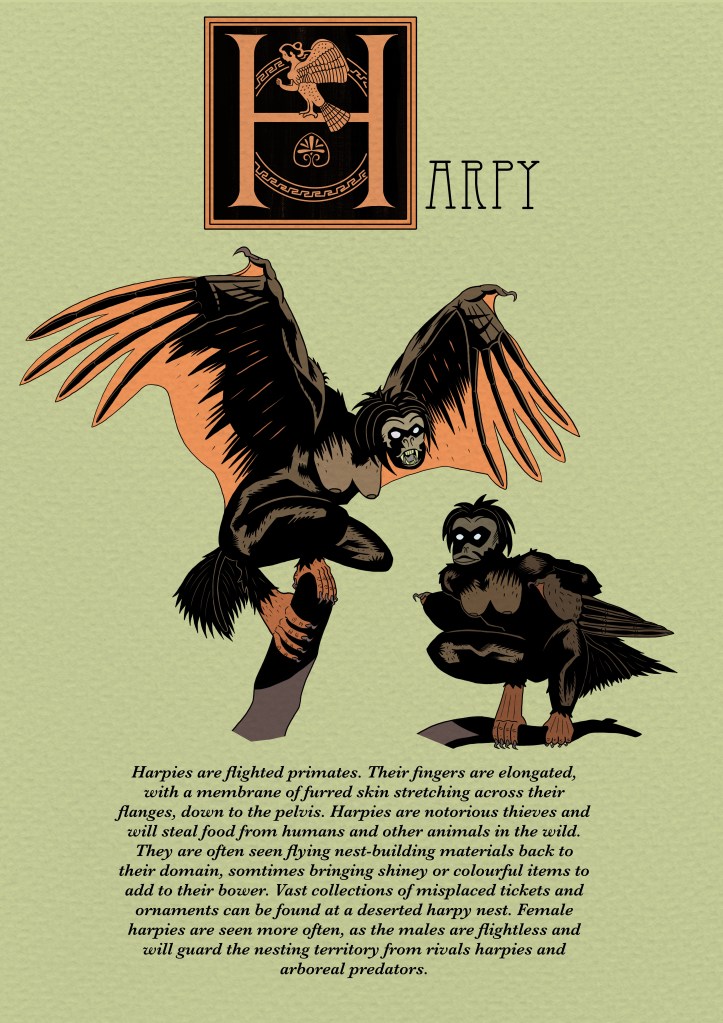
Gliding primates that developed long gliding membranes which look like wings. Some believed they were descended from small monkeys, but they are actually related to colugos.


by Seismic Shrimp
Gorgons
A giant species of mole lizard that carries its young on its head. This can be co-opted by parasitic worms. They attach onto the scalp and have the Grogon protect them as if they are its young. The worms spray venom at threats, potentially causing paralysis.


Hydras
Large, fresh-water sandstriker worms. They reproduce by budding young off from its body, near its head. It retains the young for a time so they can develop more before detaching, resulting in them having many functional heads all snapping at once.


Chimeras
Terrestrial crocodylomorphs that have evolved some extreme forms of display. An expandable frill can make it appear to have multiple heads.


The Kraken
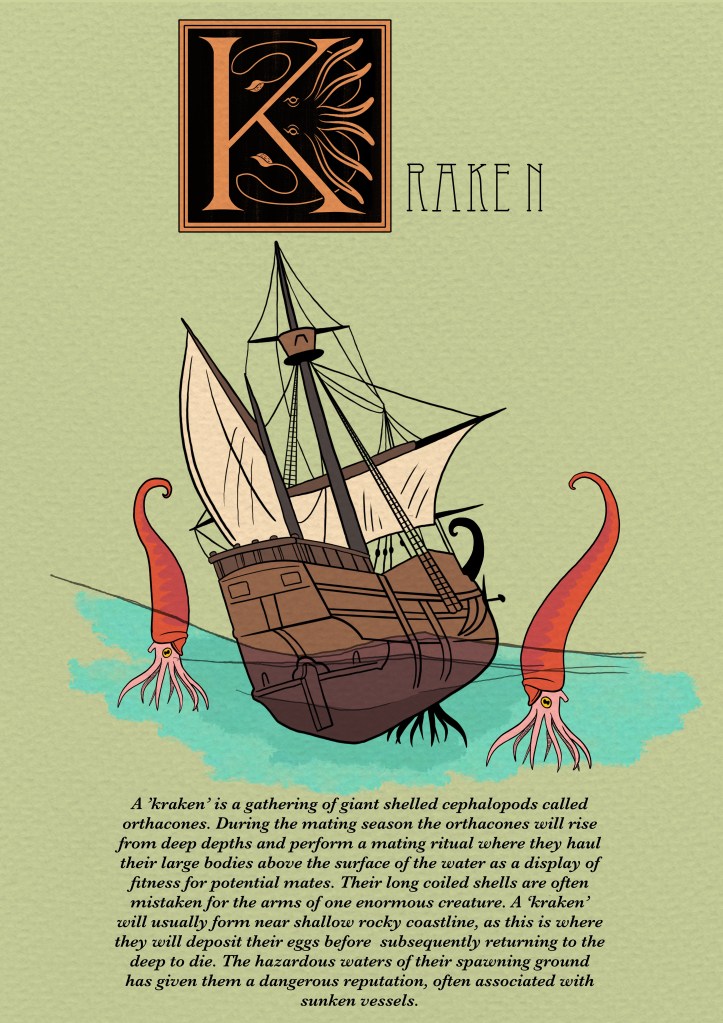
Social cephalopods that school together to appear as a much larger octopus. Combining their color and shape changing abilities they blend together. These gatherings are often massive breeding events.
The Leviathan
A gigantic open ocean fish. When they encounter a rival, they face off with an open mouth display that shows the red bioluminescent cells in their mouth, giving them the appearance they are breathing fire.

Sirens
Large, flightless island parrots. They use intricate calls and songs to attract mates and stake territory. Their ability to mimic most sounds they hear and their upright posture have tricked sailors into mistaking them for humans calling from the shore.

People-Eating Plants
A predatory plant that uses prickle covered vines to snare prey. The vines can reactively curl on themselves, using water pressure, and entangle their victim. The rotting body proceeds to fertilize the plant and potentially attract further prey. Locals know them as Funeral Flowers.


Mandrakes
These plants have specialized roots adapted to house colonies of ants, domatia. These structures have a superficially humanoid shape. The ants aggressively defend the plant if it’s uprooted, stridulating and stinging.

Owlbears
Descended from giant, island dwelling echidnas. They became specialized for opening up large termite mounds. Then, adapted into large, dominant predators.


by TheDinoBruh32x

by TheDinoBruh32x
Displacer Beasts
A terrestrially hunting eurypterid. They adapted a pair of their limbs to be long, whip-like structures, used to help detect and capture prey. Their iridescent exoskeleton gives them a shimmering appearance.


Beholders
A menagerie of creatures, from octopus to spiders, that have all convergently evolved similar threat/defense displays. These displays feature numerous small eyespots with one very large central one.


Mimics
Predatory termites that lay in wait inside hollowed out wooden structures. When potential prey makes contact with the wood’s surface they explode out of it, covering the victim with venomous bites.

European Dragons
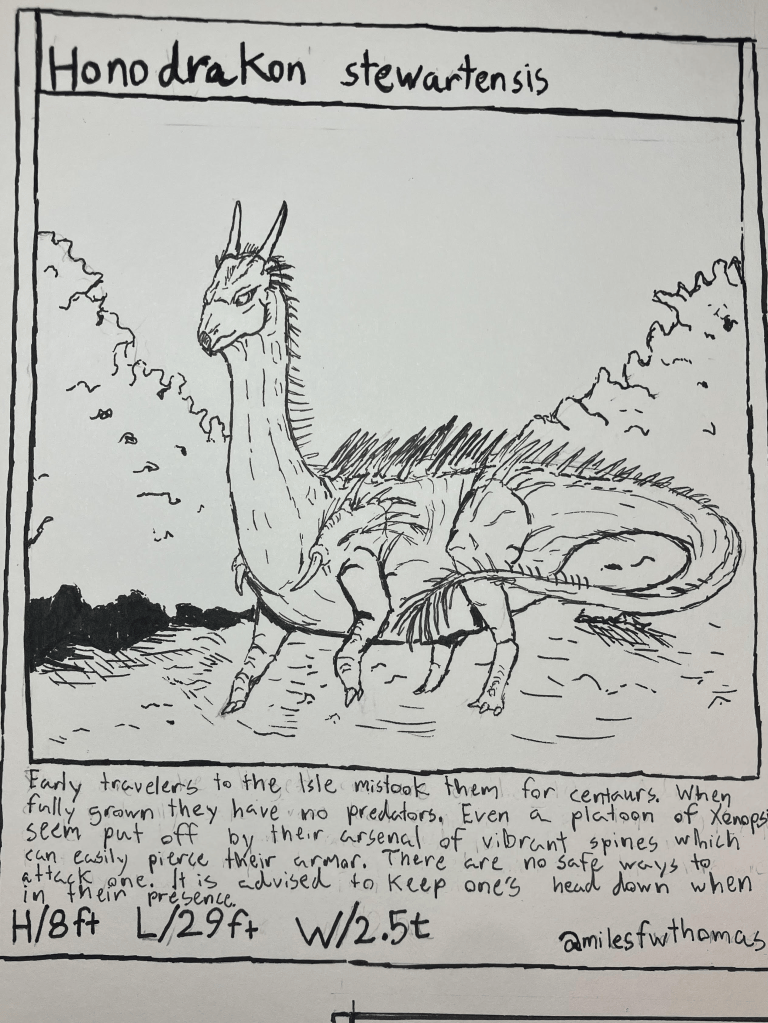
Descendants of gliding, lizard-like animals that used rib projections to form “wings”. They became larger and ground-dwelling, maintaining their “wings” as threat display structures to defend their territory.


East Asian Dragons
Another early diverging tetrapod lineage. These returned to the water, developing a mane of external gills. They are known to carry their pearlescent eggs in their mouth.

Wyverns
A group of long tailed pterosaurs that evolved very aggressive male to male competition. This led to them developing spines and horns, as well as barbed tails that they use to whip each other.They also use projectile vomit as a defense mechanism, resulting in acidic burns.


Turtle Dragons
Sexually dimorphic glyptodonts. The females have a smooth, turtle-like shell and are quite benign. The larger aggressive males, known as Terrasques, have much more ornamented shells, including foot-like projections.


Friendly Dragons
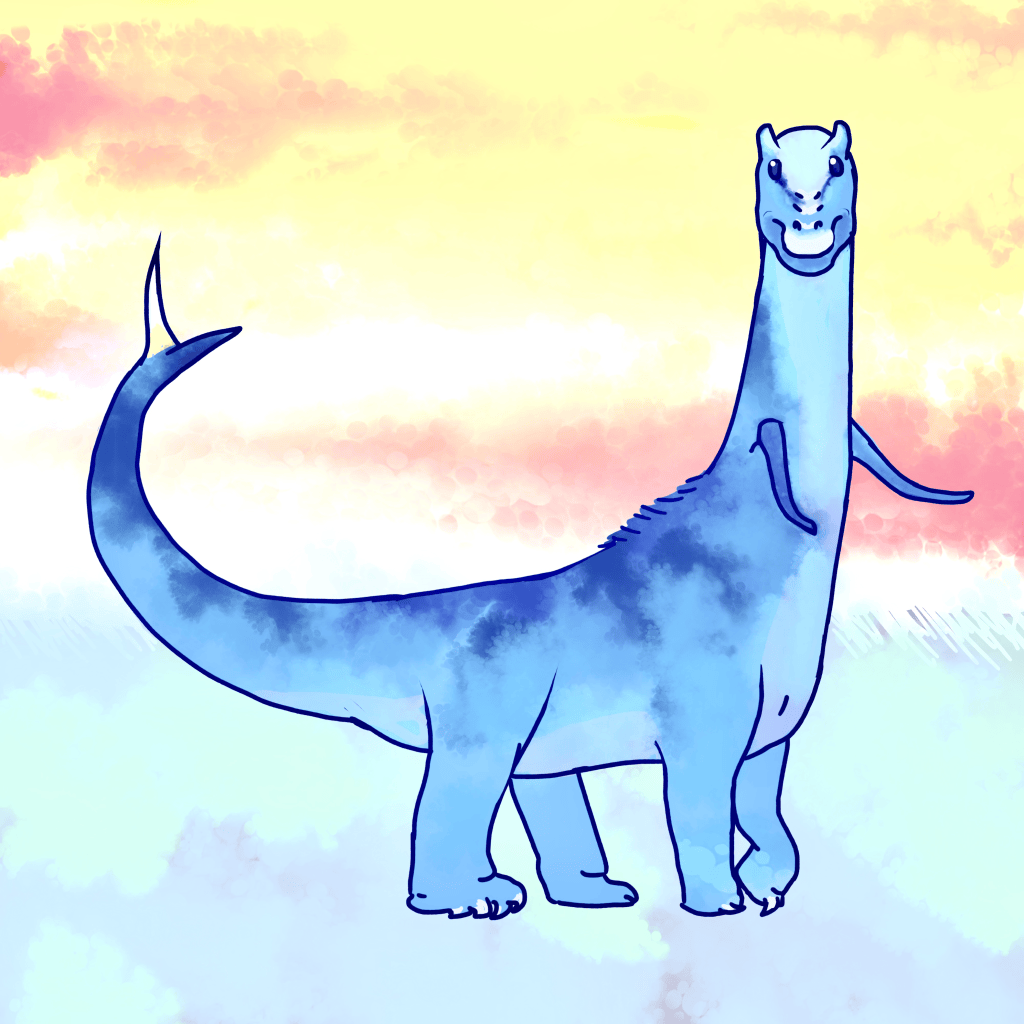
Large desert dwelling members of the European Dragons above. They travel in elephant-like herds. These much more social dragons are even known to take human nomads under their care and as part of their herd.


Gremlins
A very destructive species of lemur that builds nests out of whatever materials they can find. Often tearing apart human devices to steal wires and bobbles. Their young are fuzzy and cute while the mature males are mostly hairless and much more creepy.


Fairies
Colonial, fungus farming mantids. The spores of the fungi they keep can have psychedelic effects on people. Due to their upright posture, hallucinating people often describe seeing them as tiny people.

Redcaps
A species of badger, they are incredibly ill tempered and territorial. They often make their homes in abandoned human structures. They mark these territories with the carcasses of their prey.

Jackalopes
Very small deer that are very secretive and known to hide in gopher burrows. They have a habit of eating fermented fruits.


Piranha Plants
Predatory bivalves that live much like a tube worm. They use their two shells as a pair of jaws to capture prey. To protect themselves they construct a tube that turns green due to algae growth.


by ArtMakerProductions

by ArtMakerProductions

by ArtMakerProductions


by Miles Thomas
Octoroks
Hermit crab like crustaceans that use foliage or discarded items as shelter and camouflage. They launch rocks as a defensive mechanism using specialized mouthparts.


Kremlings
Semi-arboreal lizards that develop an upright, bipedal gait in convergence with humans. Social and maintain domesticated crocodilians as pets.


Metroids
A parasitic barnacle that transitions between host animals throughout its lifecycle. The barnacle protrudes out of the abdomen of the host, and triggers behaviors so the host cares for and protects it.

by FelipeNN

by FelipeNN
Pikmin
Eusocial beetles that have a symbiotic relationship with lycans. The fungal portion infiltrates their body and the plant/algae portion sometimes emerges as a leaf-like growth. They work to move large objects together, pushing them like a dung-beetle, giving the appearance they are walking on two legs.

Pok-É – Lugia
An aquatic therizinosaur, adapted to use their long arms for powered swimming. They are very strong swimmers, and are able to leap out of the water, giving them the appearance of flying over the waves. They follow storms and are thought to herald them.


Pok-É – Giratina
A centipede like early myriapods, adapted to hunt as an ambush predator similar to a trapdoor spider. They developed long fore legs that they use to capture their prey.


Pok-É – Zygarde
This is not one creature, but a condition that comes about due to infections caused by small aquatic organisms. While the ecosystem is in balance, they typically are harmless. But when conditions become stressed they can become infectious.

Pok-É – Koraidon and Miraidon
An evolutionary lineage of archosaurs. Koraidon is a member of an earlier branch adapted for jungles. Cyclosar is a later group adapted for grasslands. Finally Miraidon is the most recently evolved. They share similar display structures, such as the inflatable throat sac.


Pok-É – Kyogre, Groudon, and Rayquaza
Three megafaunal species that all compete for space on the coastline. Kyogre is a pliosaur that uses the shallows to breed. Groudon is a predatory cousin of armadillos that hunts along the coast. Rayquaza is a giant species of our East Asian Dragons that often drives both out of its coastal territory.


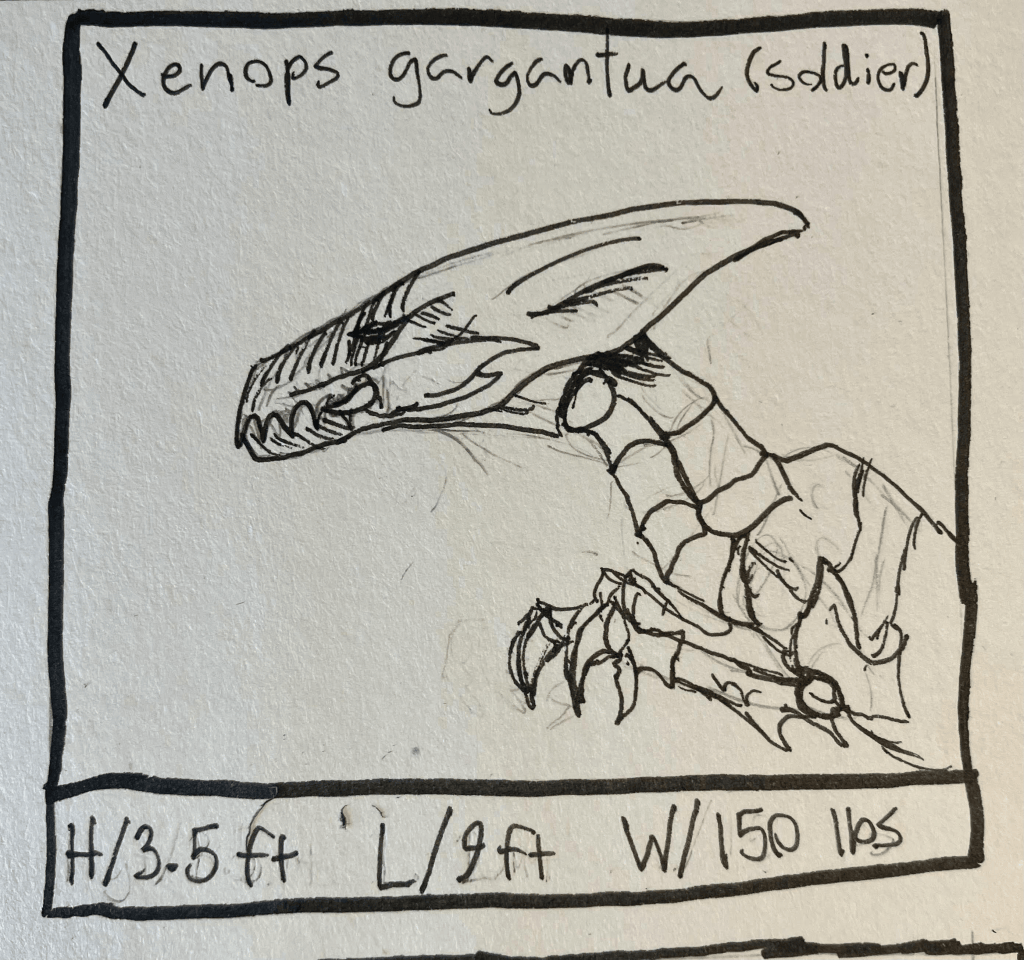
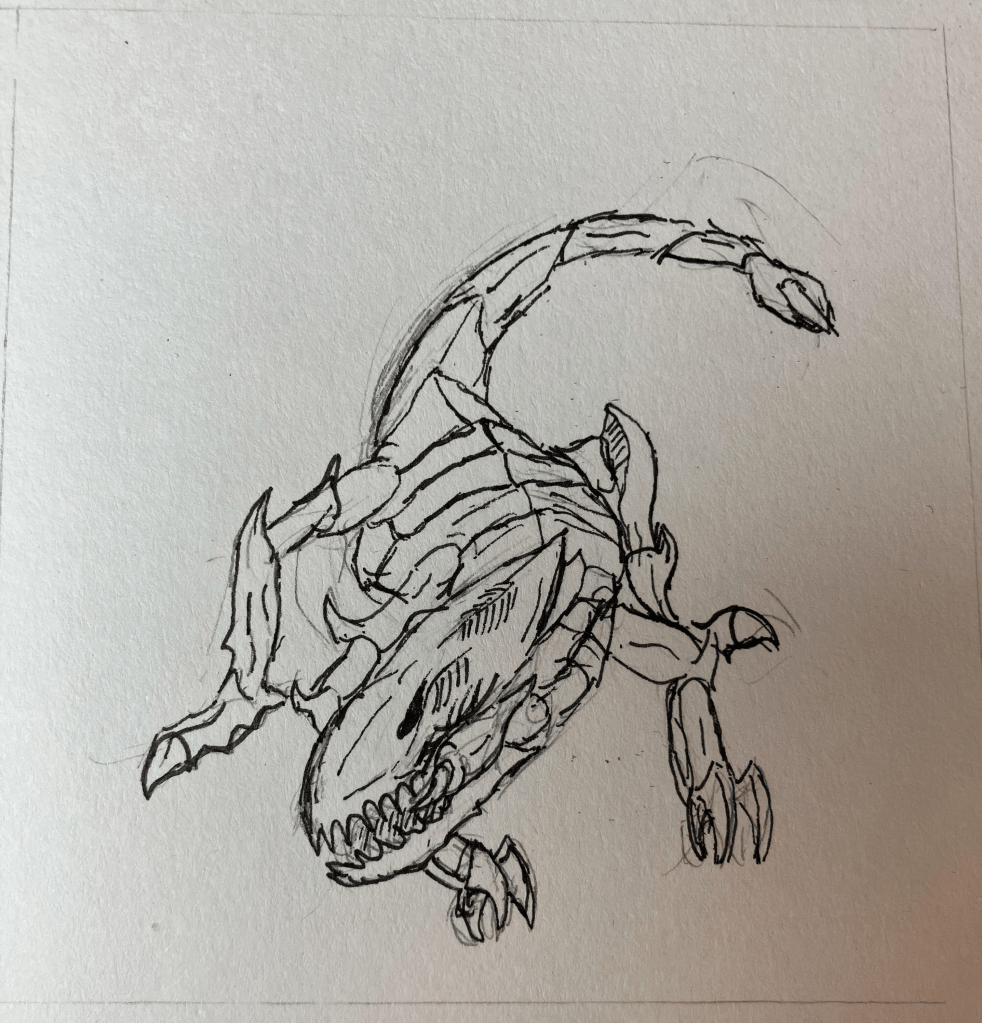
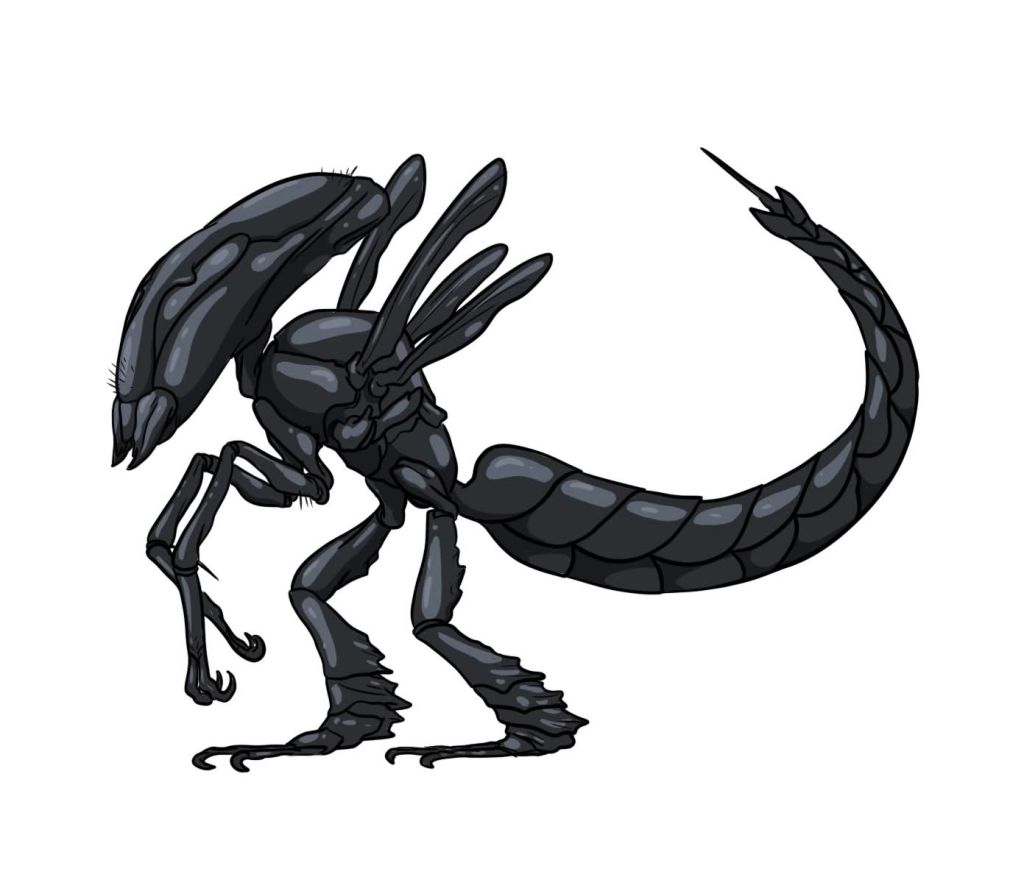
Xenomorphs
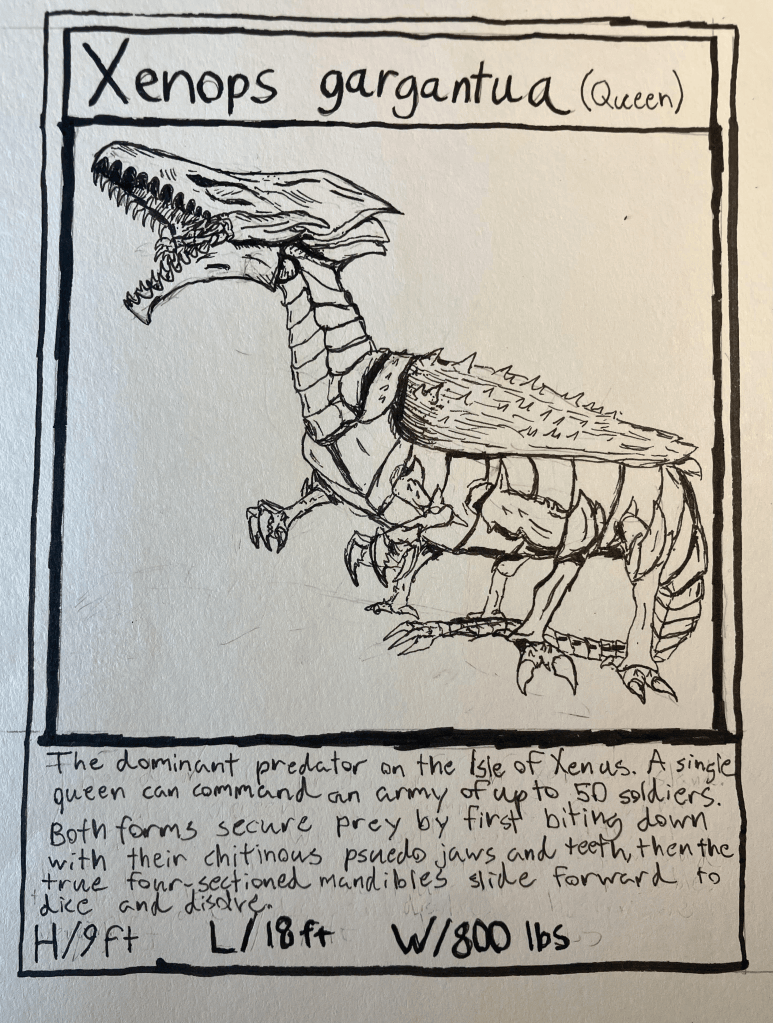
Eusocial parasitoid wasps evolved from deep sea ancestors that used crustaceans as hosts. These terrestrial species brought their domesticated host with them, these facehuggers now act as intermediate hosts, transferring their young to various primary hosts.
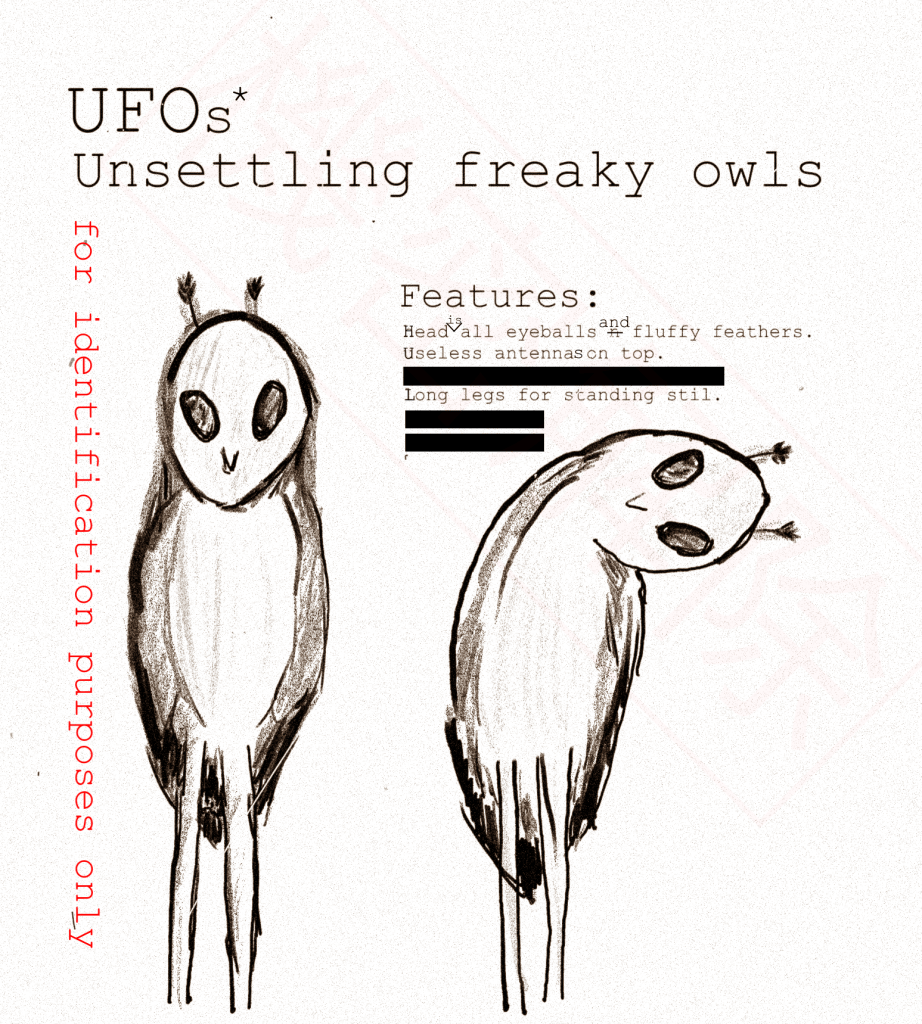
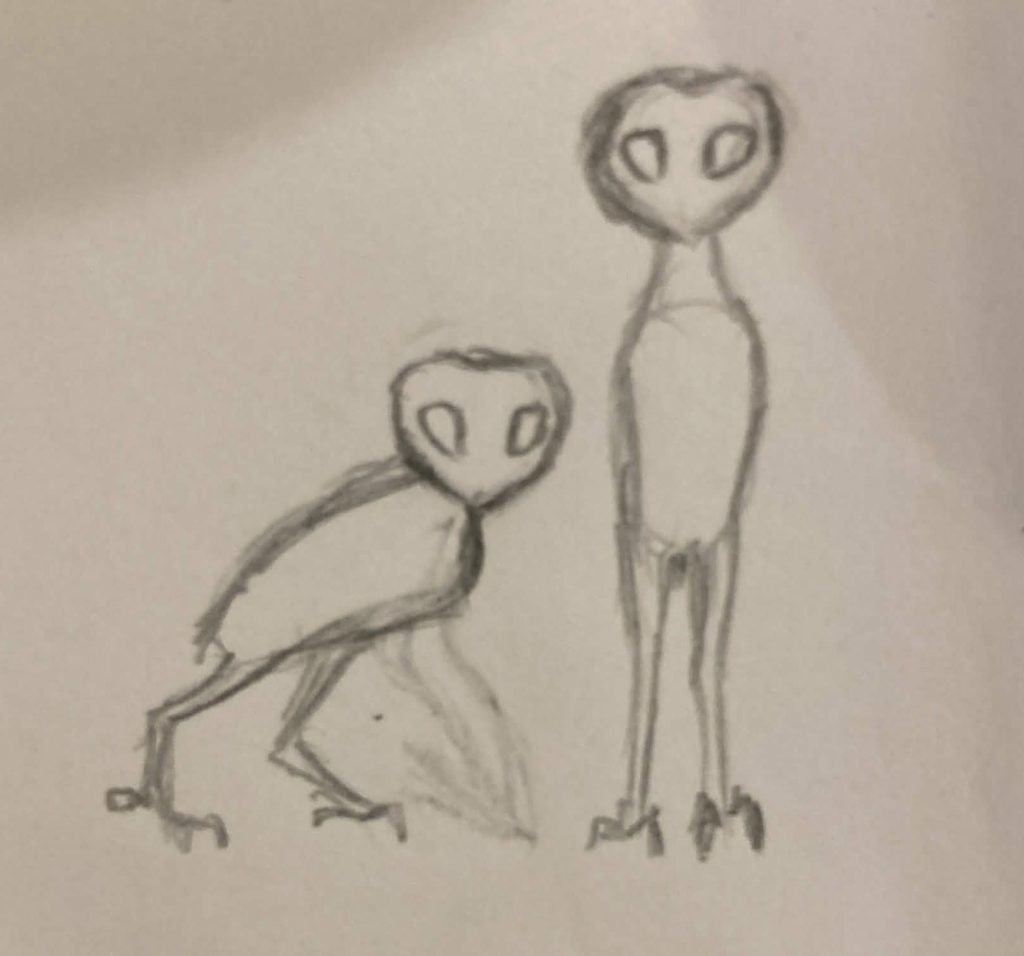
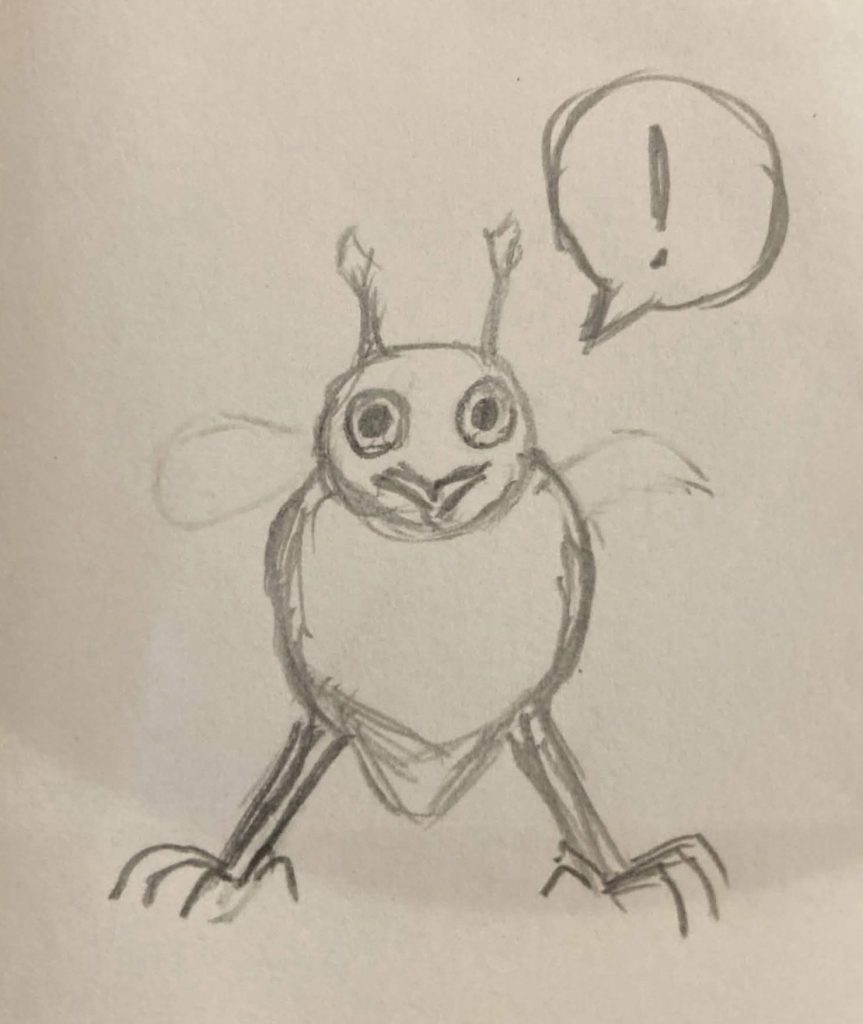
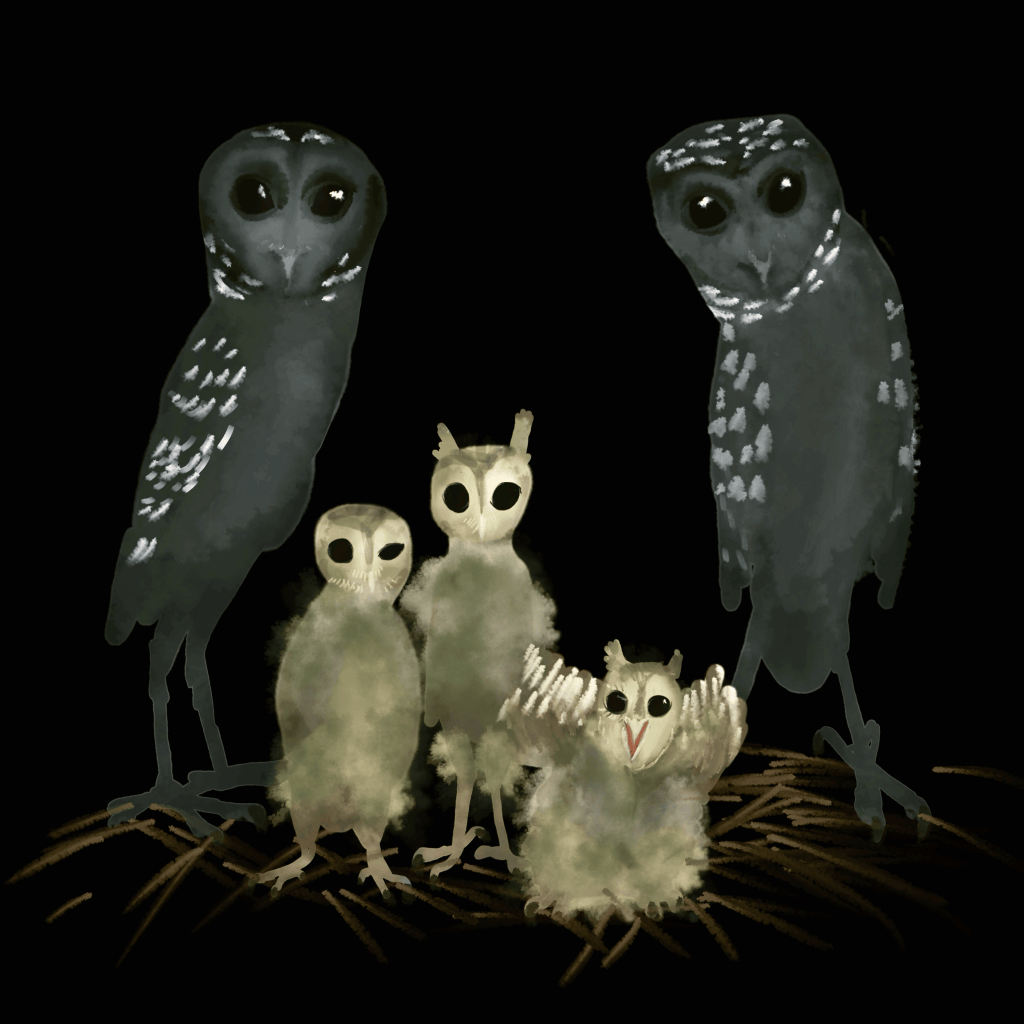
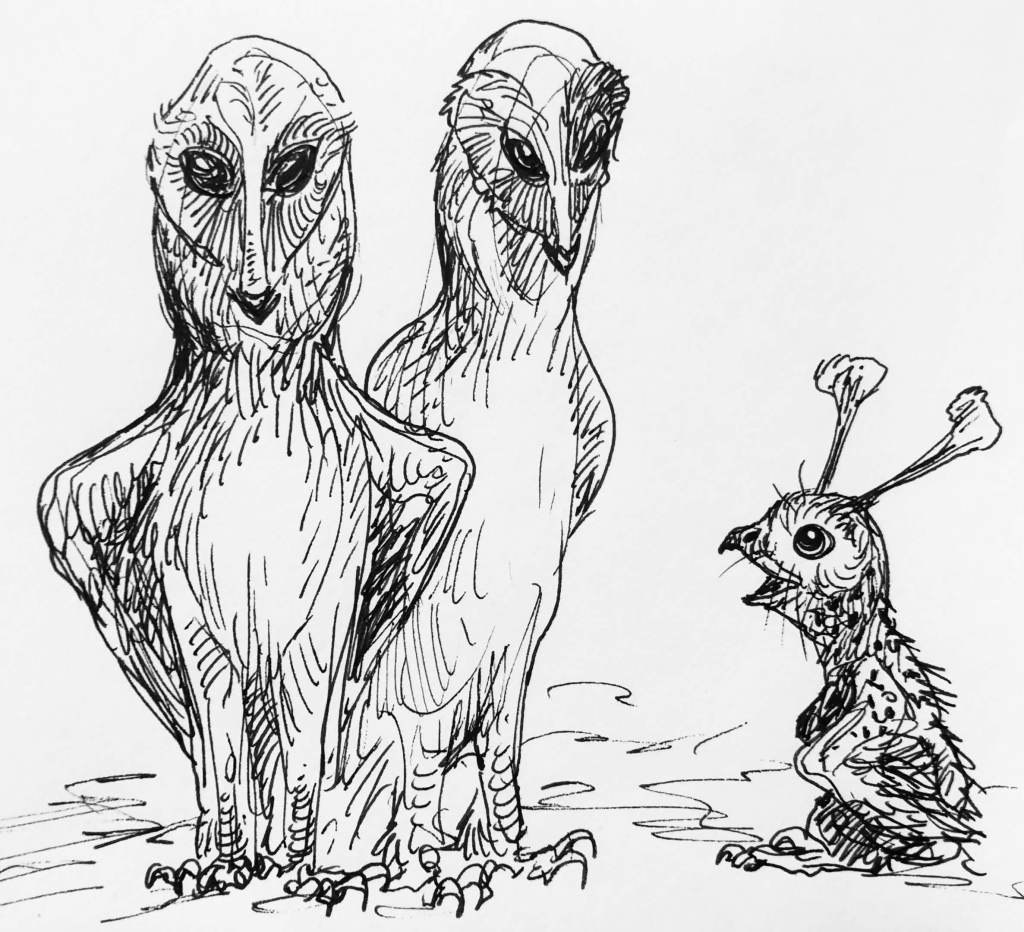
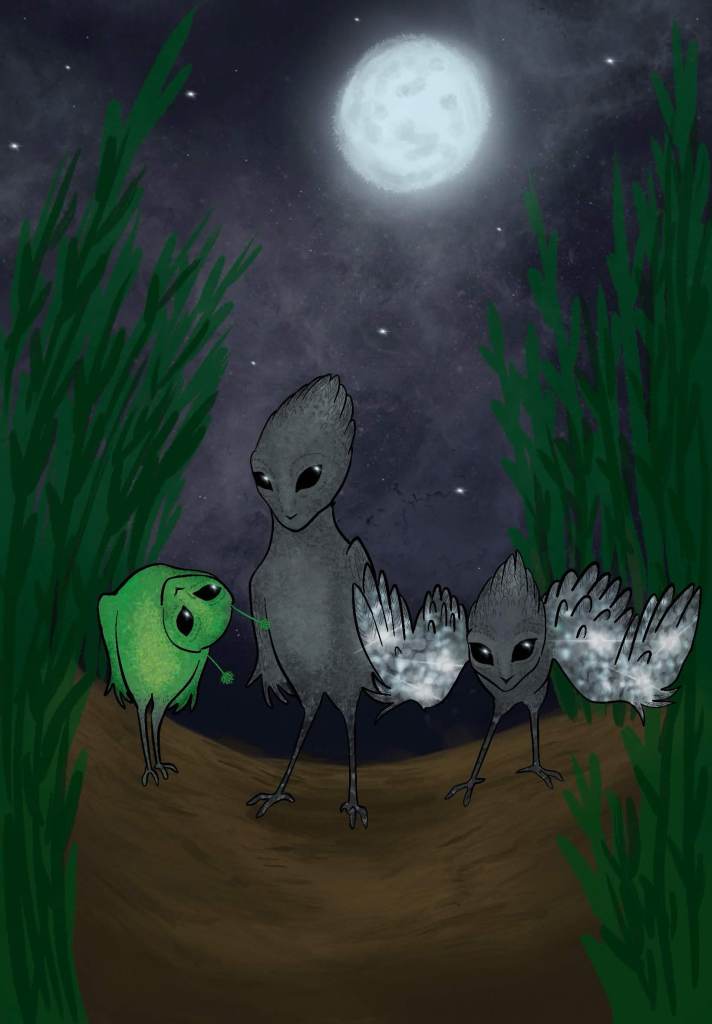
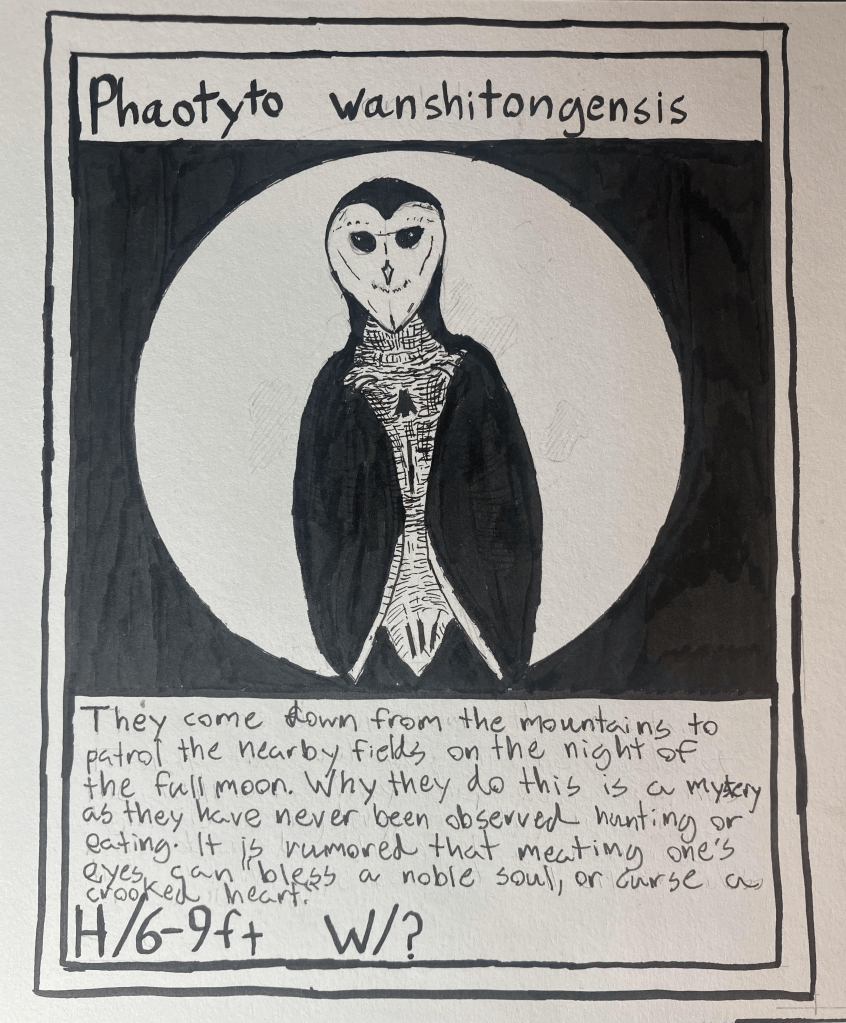
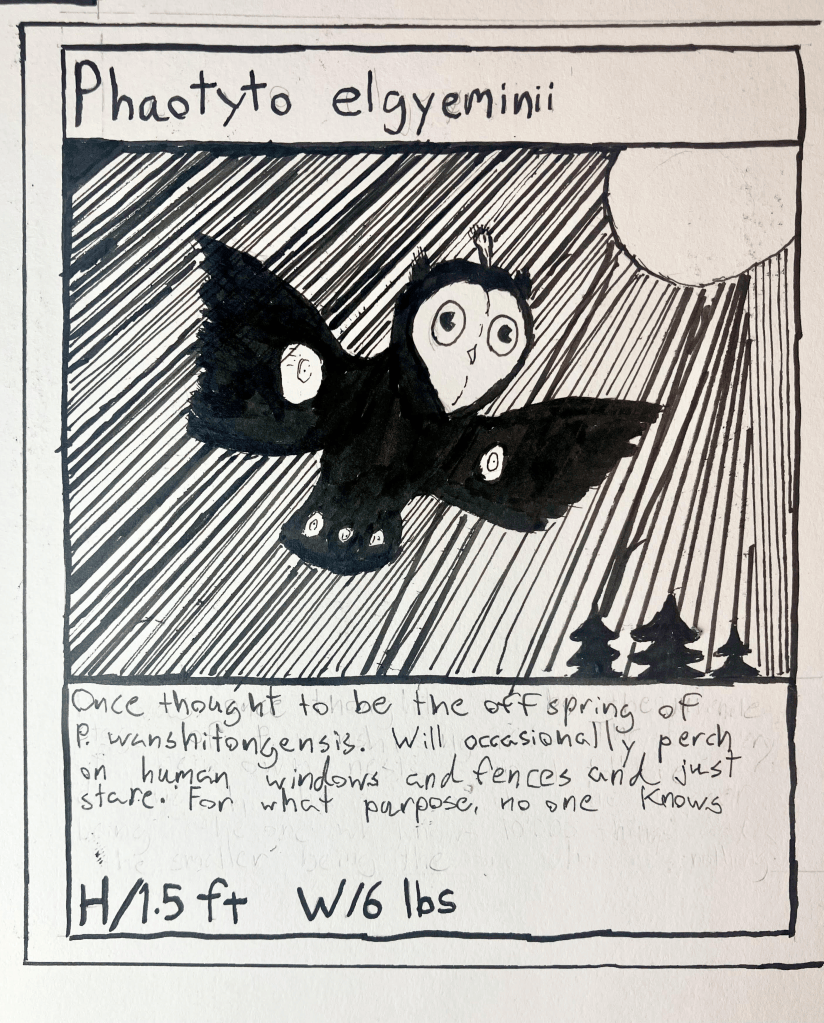
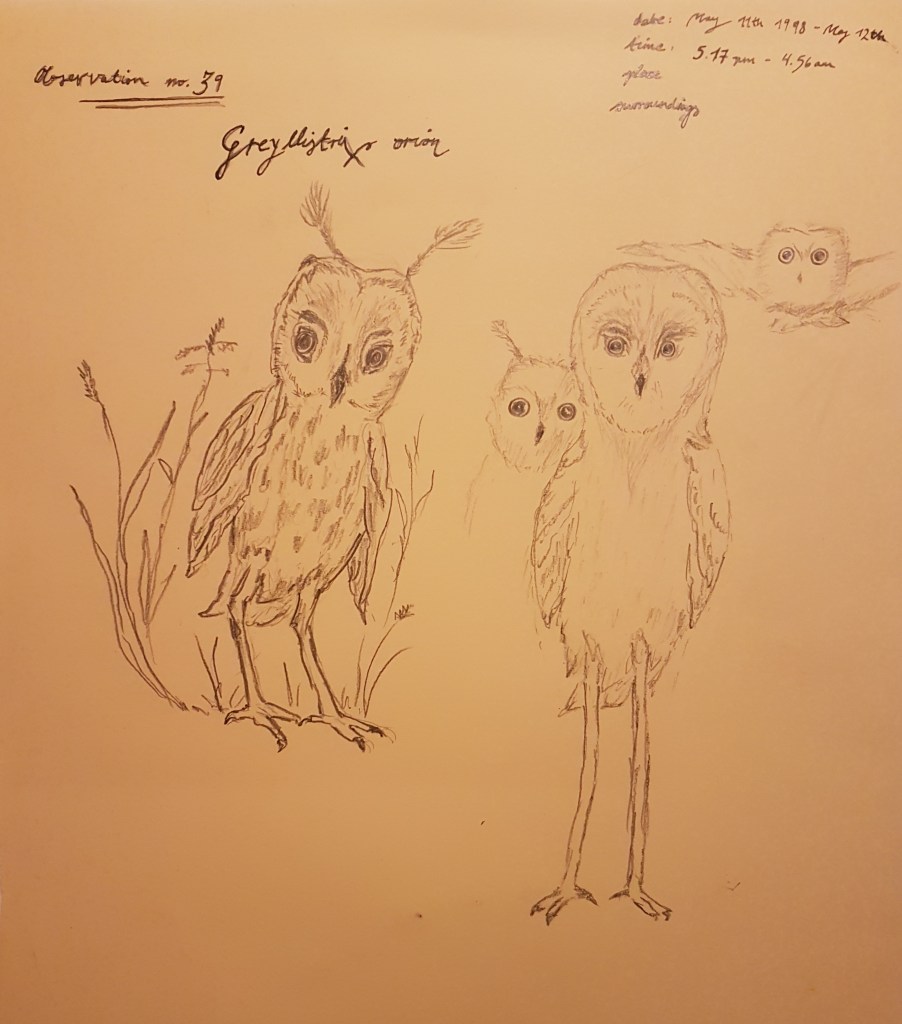
Greys & LGMs
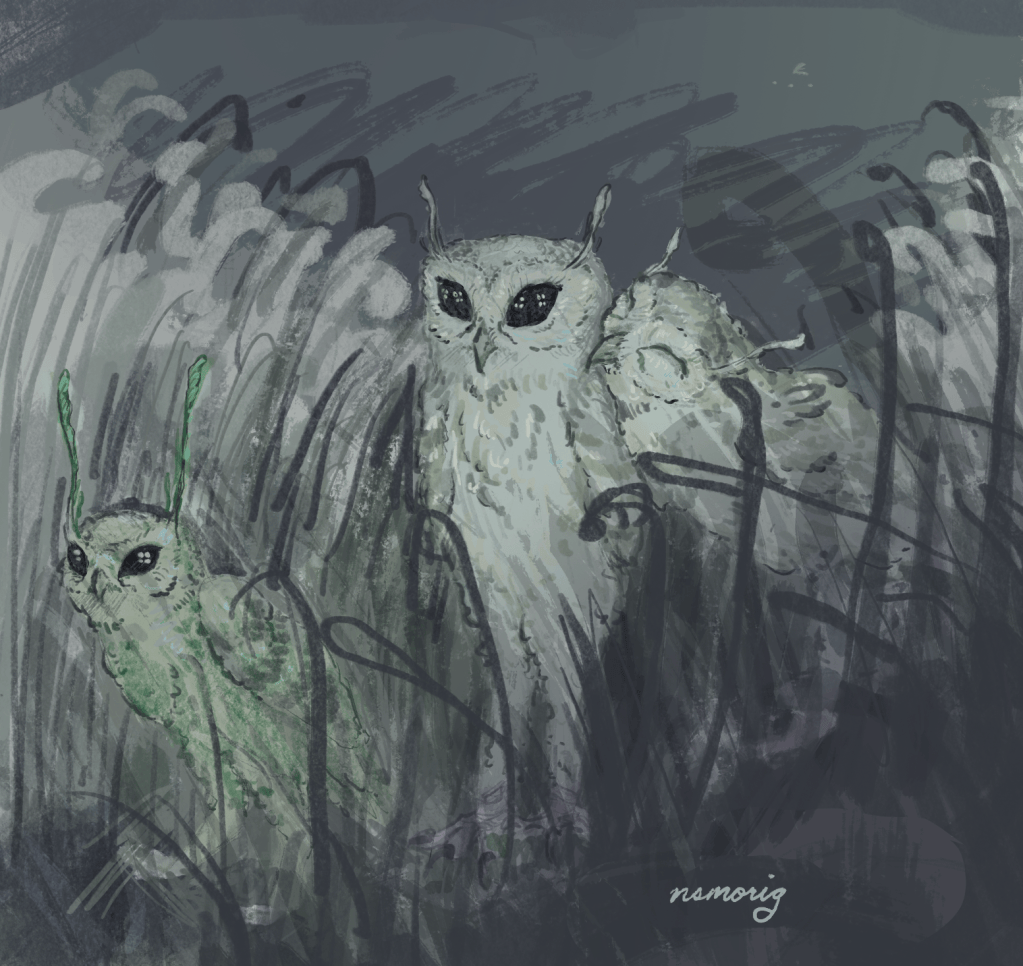
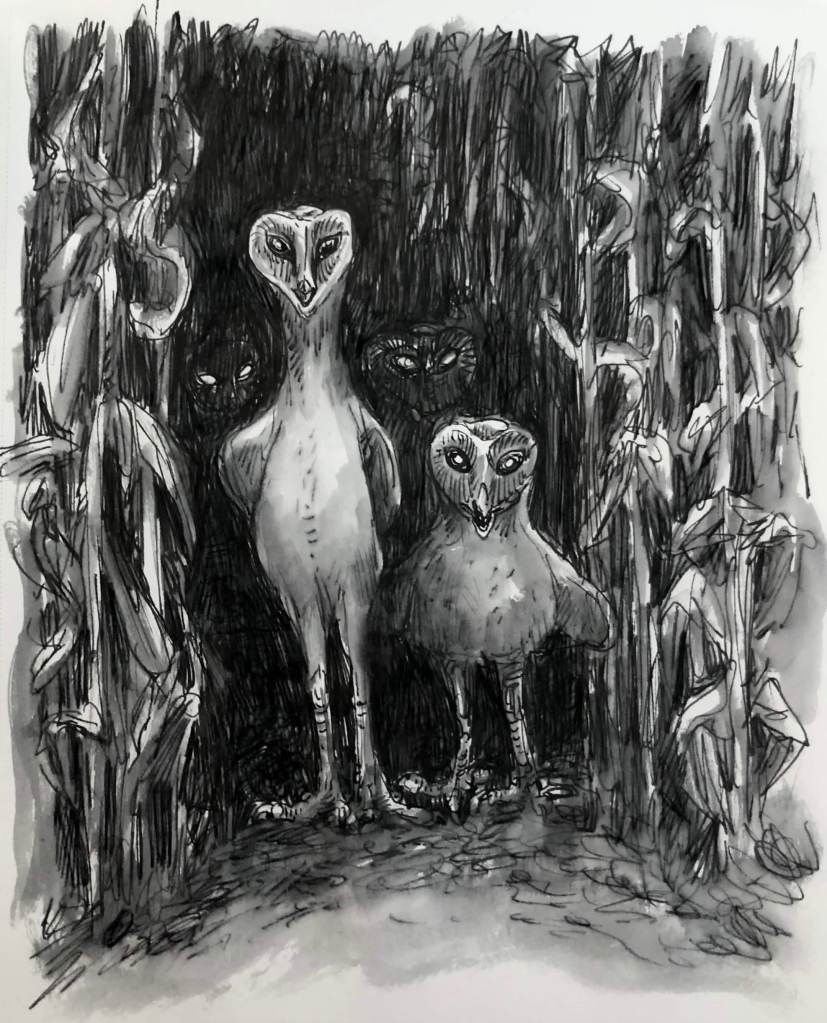
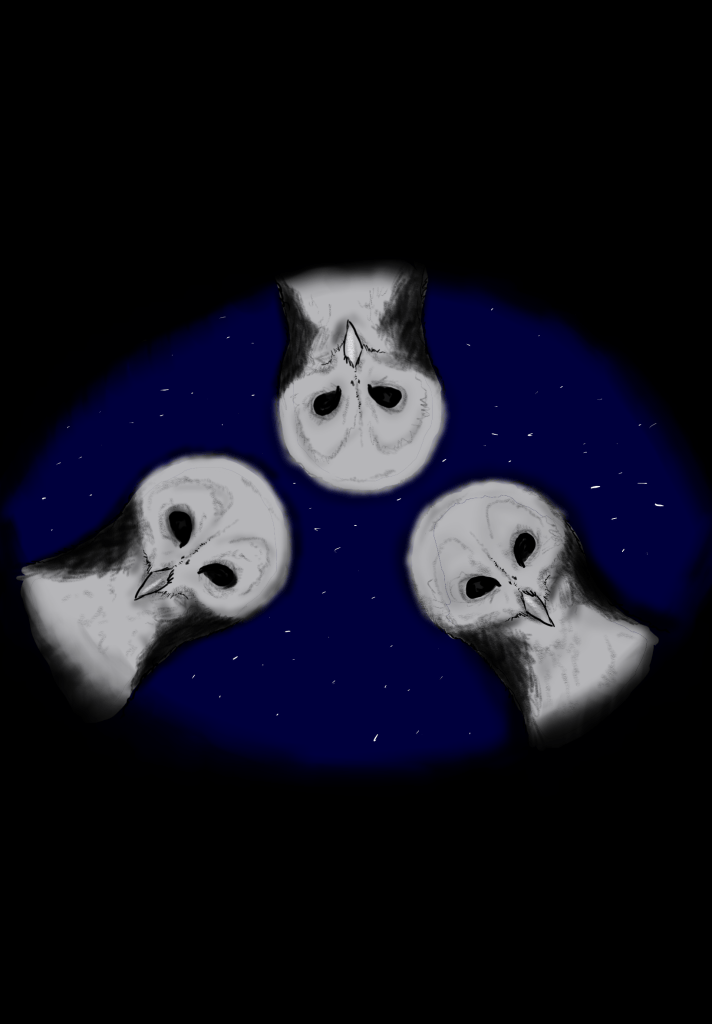
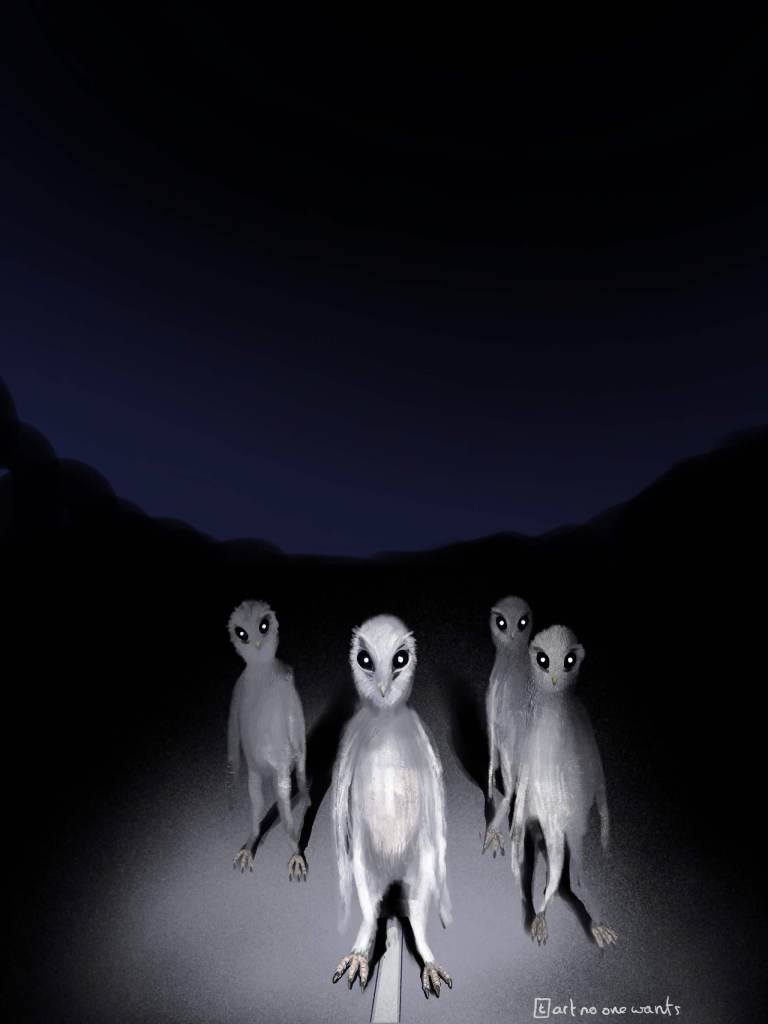
Large, ground hunting, long-legged owls. They nest on the ground in fields where they create circular hunting paths. Their chicks are the “Little Green Men”, with green feathers and antenna-like tufts.
Headcrabs
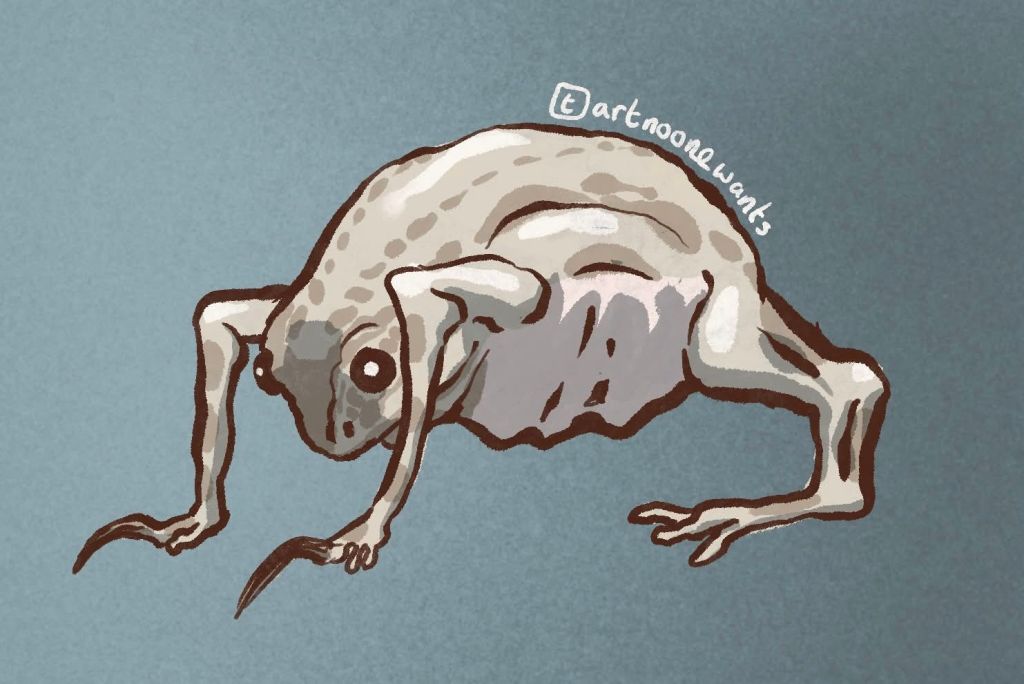
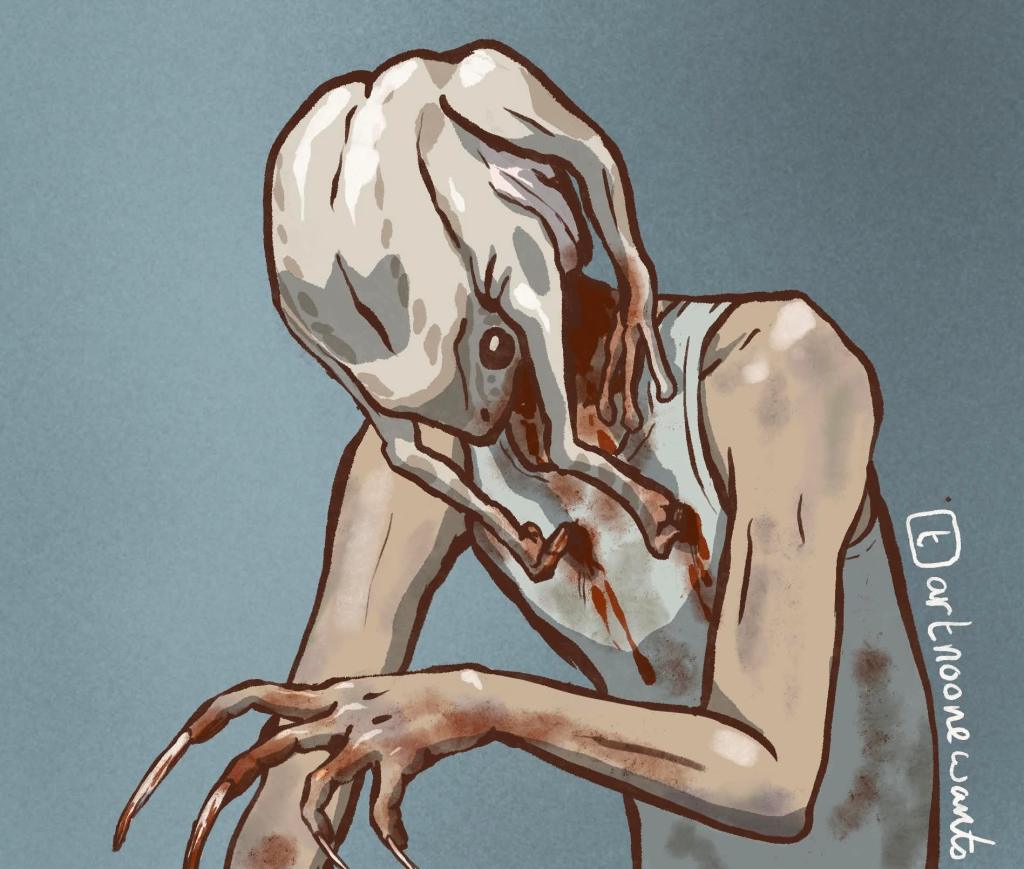
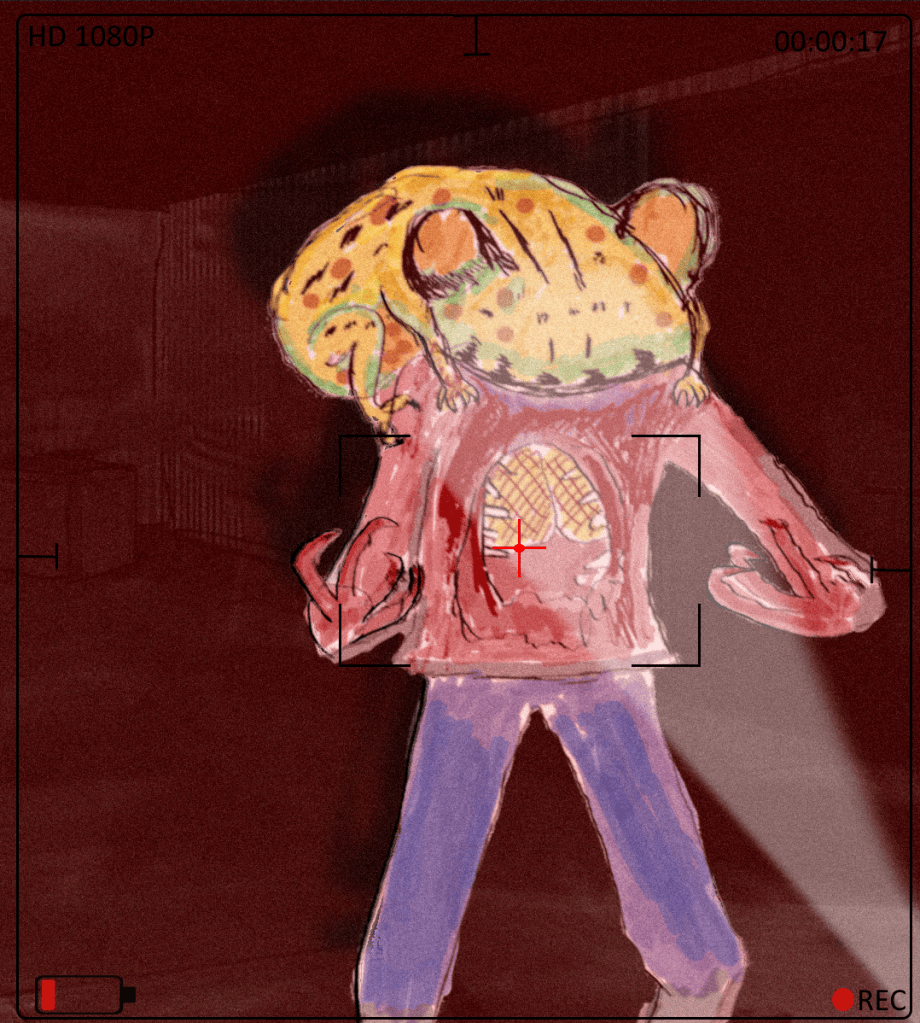
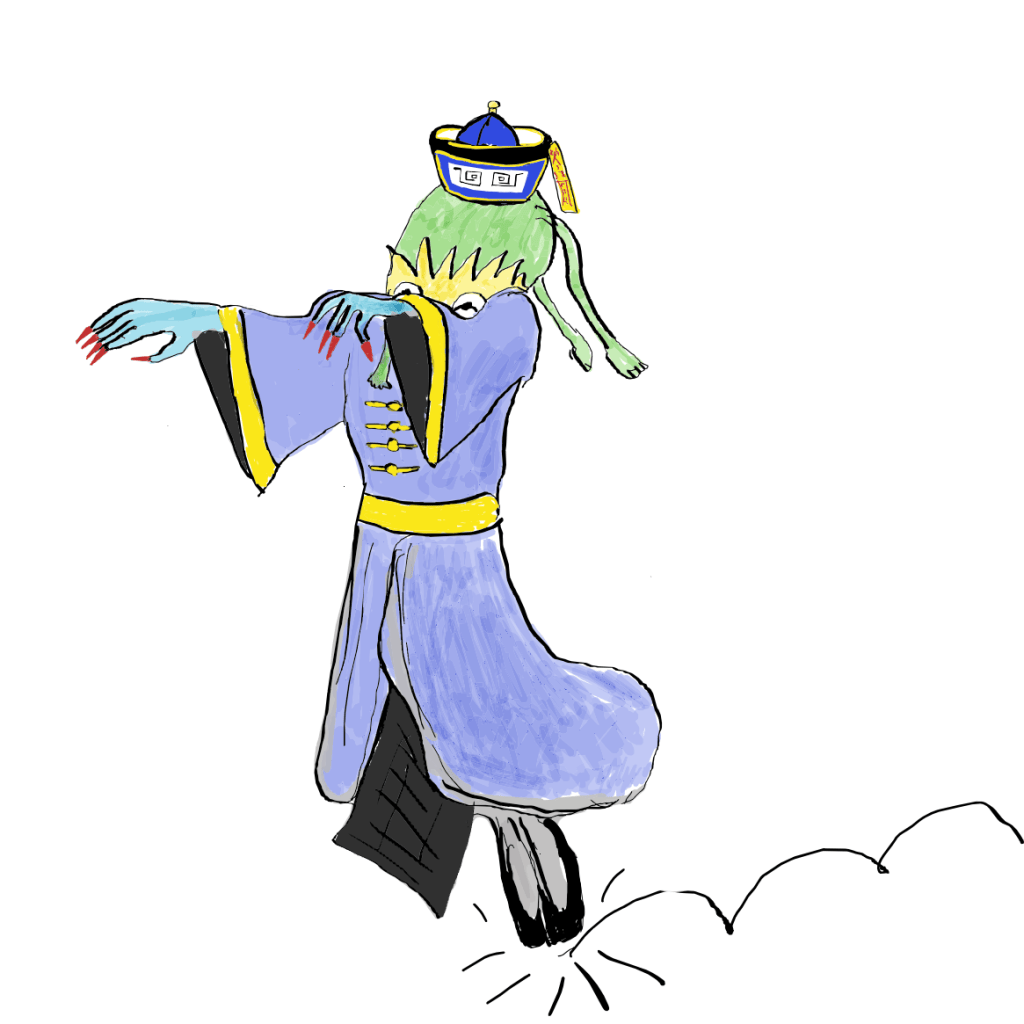
A toad that’s been infected by a parasite that alters its development, causing it to grow larger and grow claw-like bones through the end of their digits. They leap onto the head of a second host, engulfing it with their mouth and holding on with their claws, allowing the parasite to take over.
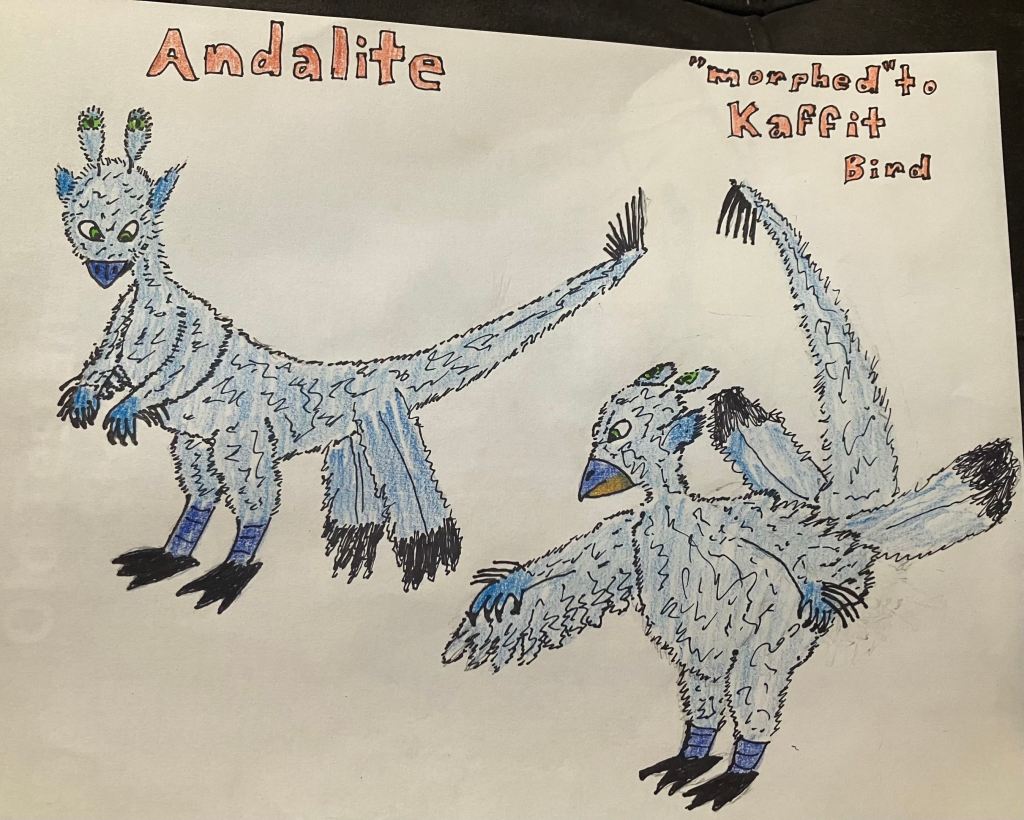
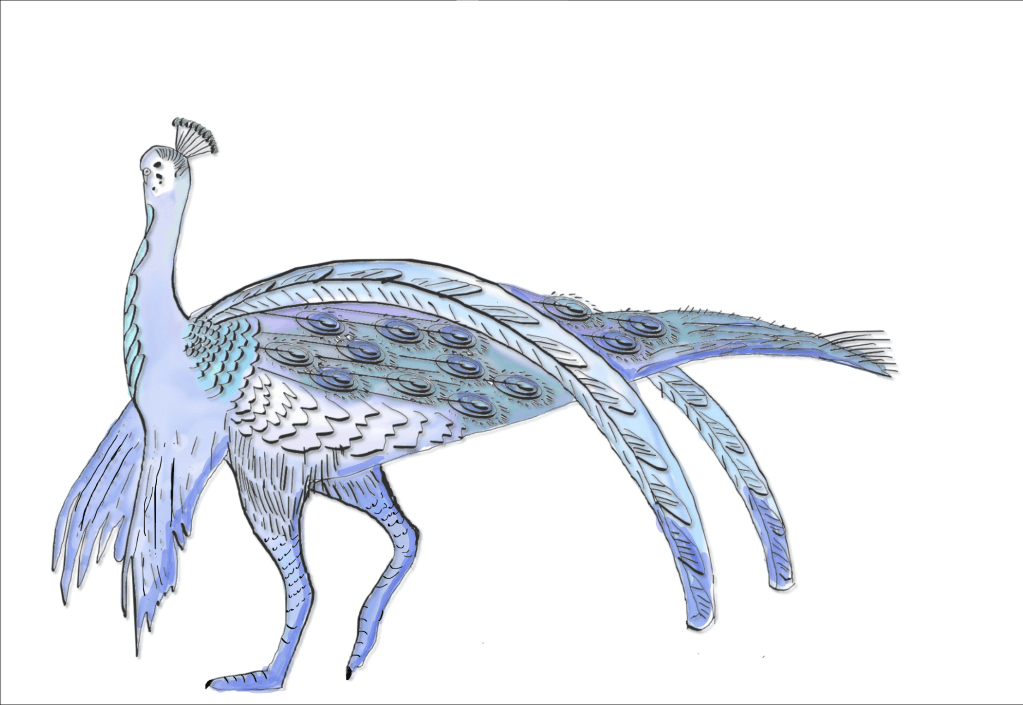
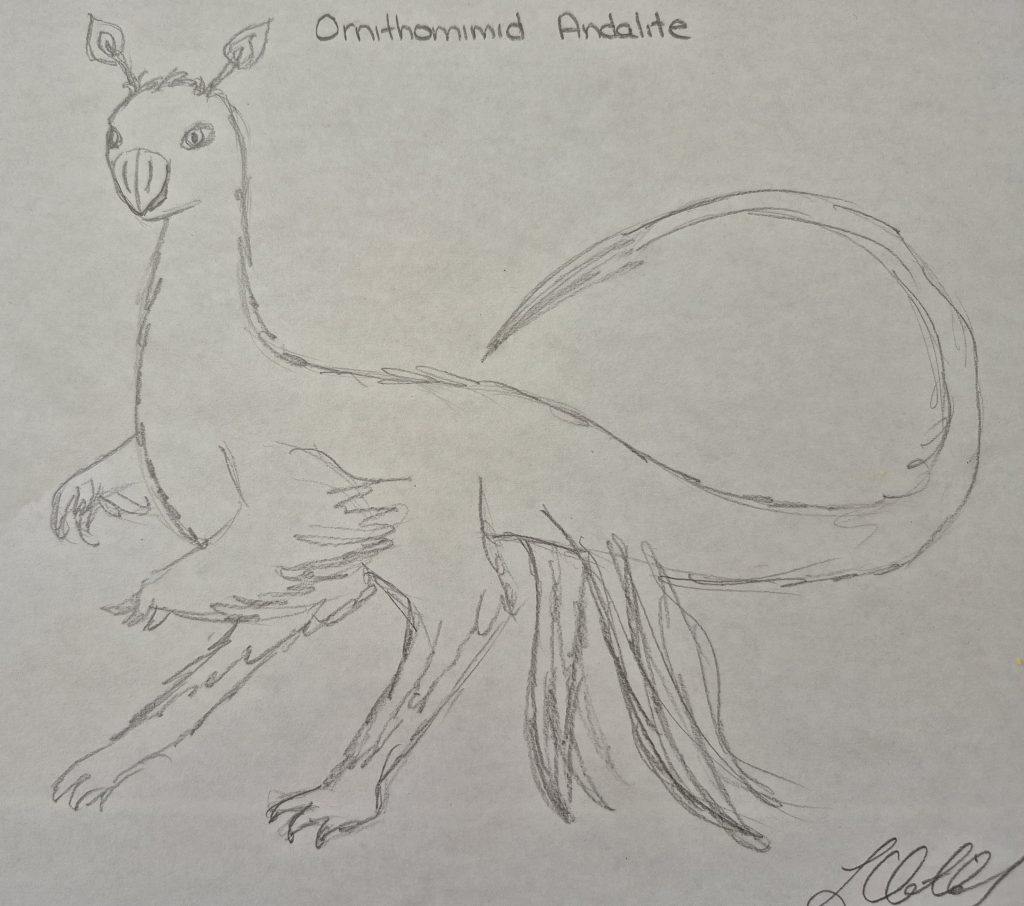
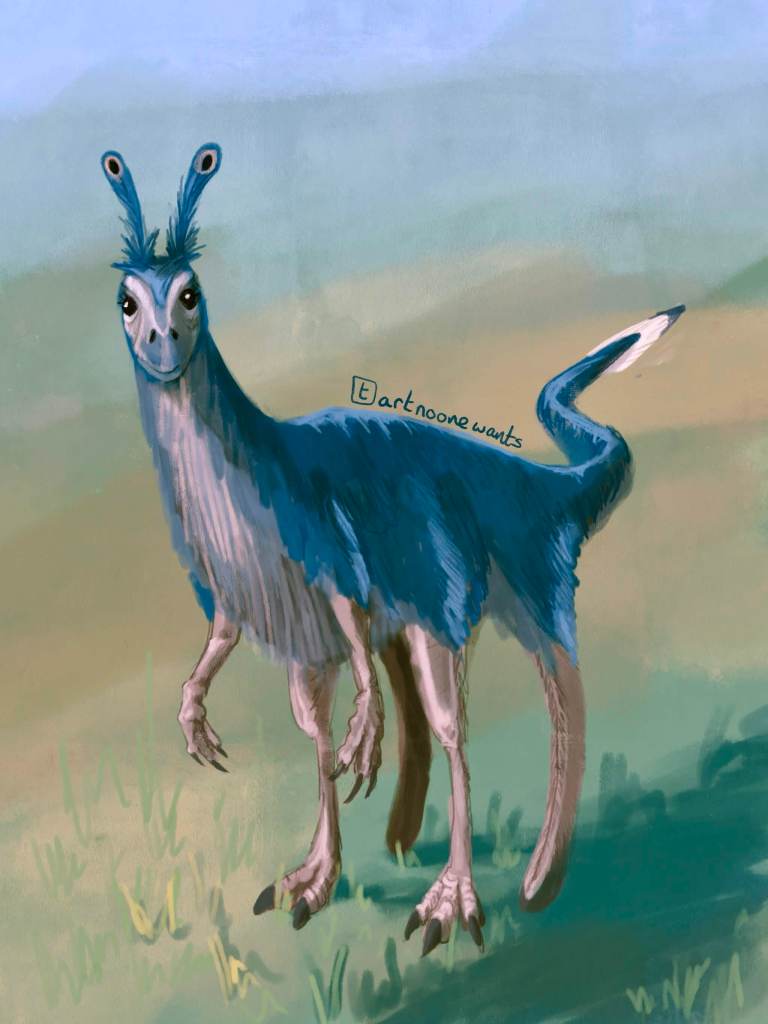
Andalites
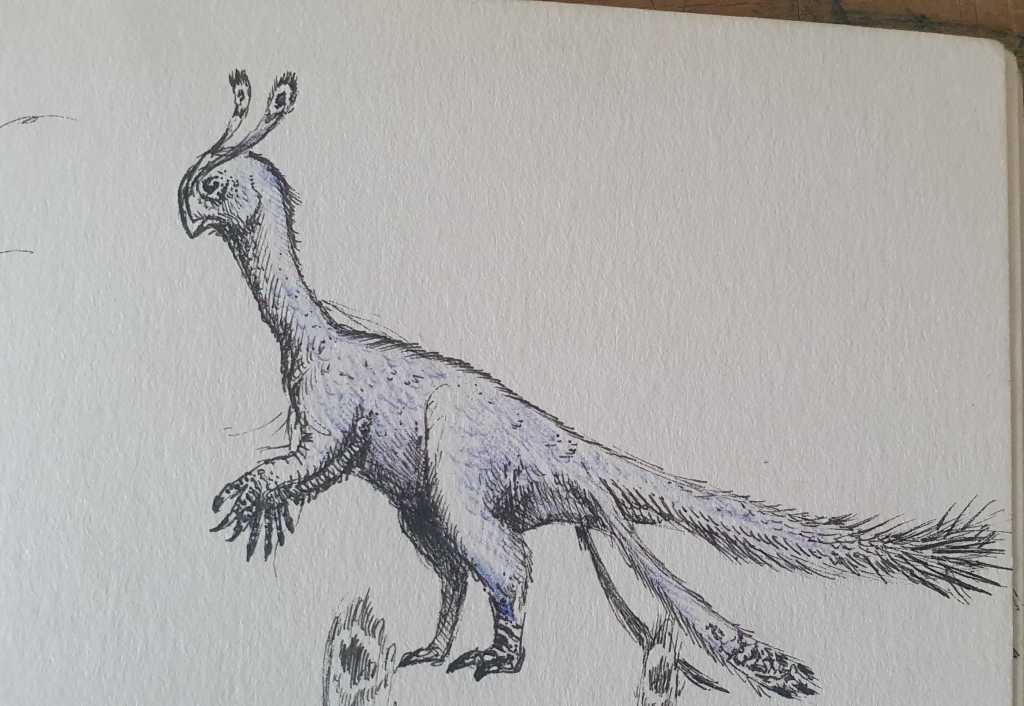
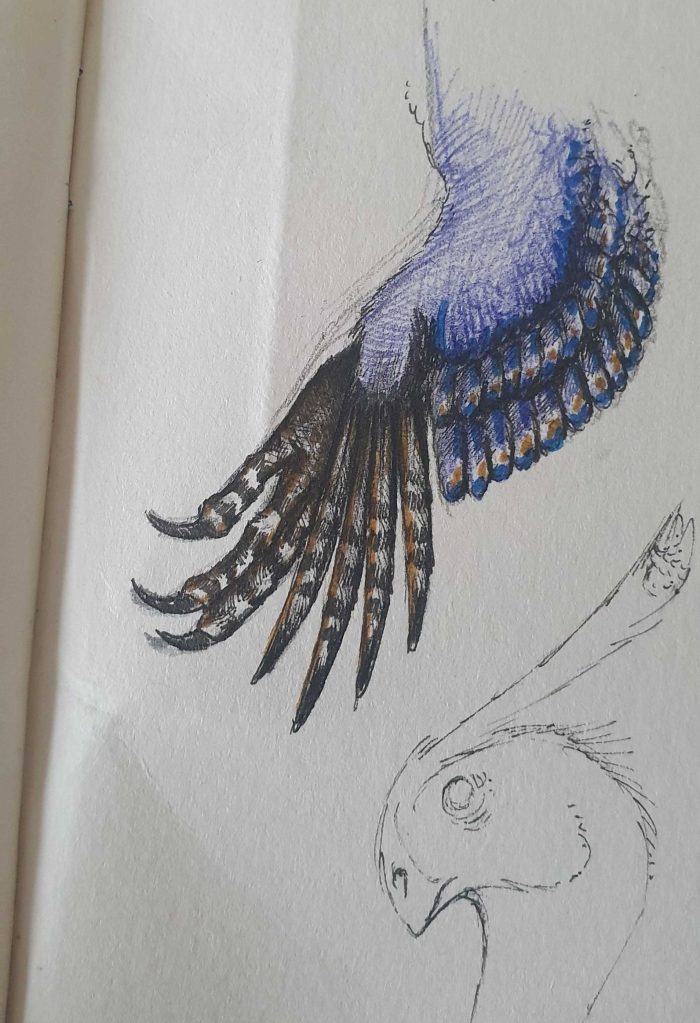
These highly social and dexterous oviraptors use their ornate plumage for complex communication.They are able to flex and reshape their feathers into a variety of patterns, some of which resemble other kinds of animals. While at rest their long feathers hang down like a second pair of legs.