
Listen to Episode 4 on PodBean, Spotify, YouTube, or your podcast source of choice!
Pop in your copy of Cast Away, it’s time to talk about islands!
Paleo News
This episode’s news pieces are as follows:
Fossil Oysters & Conservation Paleontology
Studying fossil oysters may have been revealed new and more effective methods for conserving and protecting modern oysters in Chesapeake Bay. [Report]
Laser-Imaged Dinosaur Soft Tissue
A new technique for viewing fossils has revealed a detailed look at some of the soft tissues of a small, bird-like dinosaur known as Anchiornis. [News Report]
Ancient Tropical DNA
DNA of a giant tortoise discovered at the bottom of a blue hole in the Caribbean Islands, a very rare find for such a warm environment. [News Report by David]
Giant Ancient Bobbit Worm
The jaws of a sizable polychaete worm were identified in fossil material from Ontari0, Canada, showing that these worms have been big and intimidating for a long, long time.
[News Report by David]
Why are islands weird?
Evolution on islands yields some very interesting and odd animals when compared to their mainland cousins. This is caused by a few factors that make island ecosystems unique from most others. Limited size and resources, a lack of large mammalian predators, and isolation from other gene pools all lead island wildlife to evolve in strange and new ways. This creates ecosystems and food chains that you wouldn’t expect, with certain animals filling ecological niches outside of the norm.
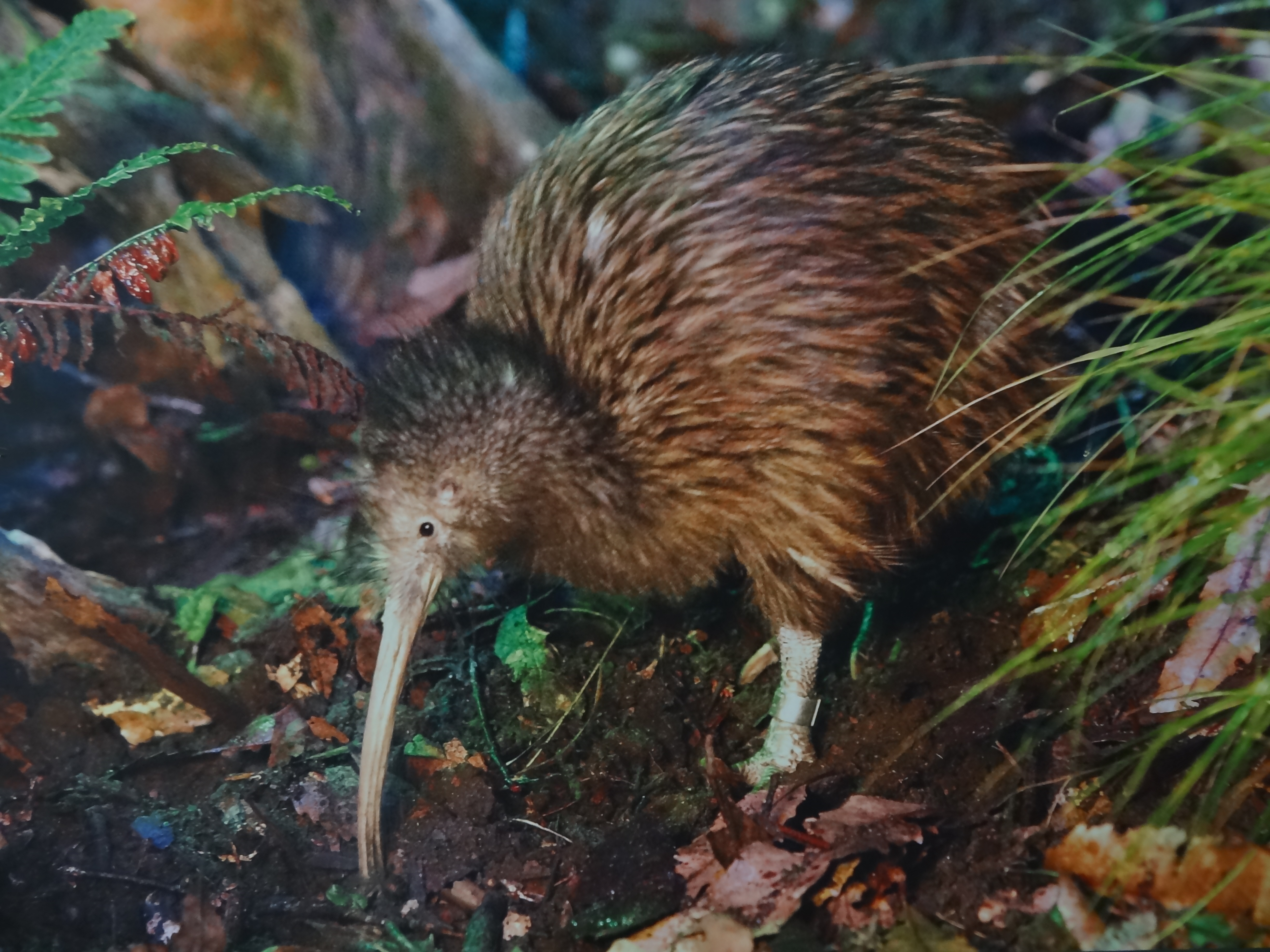
As amazing as these unique micro-worlds can be, they are notoriously fragile and sensitive to change. Because of this, island ecosystems often suffer greatly when humans encounter them. The majority of species extinctions in recent history have been from island faunas.

Allopatric Speciation
The isolation that islands provide ensures that island populations rarely interbreed with members of the same species on the mainland or on other nearby islands. This means that as mutations build up in island populations they become more and more different, eventually driving them to become separate species. This isolation-and-splitting of species is know as allopatric speciation, and it is particular common and rapid on islands.

Giants and Dwarfs
One of the most notable trends of island evolution is the appearance of much larger or smaller versions of familiar animals. This is known as insular (meaning island) gigantism and dwarfism, and may be caused by a series of factors. Limited resources favor smaller versions of large species, while a lack of predators allows small species to become larger. On top of that, a species may grow or shrink in response to the size of their own predators or prey.
The direct causes of dwarfism and gigantism may vary, but the trend is clear. Dwarfs and giants have evolved among elephants, eagles, sauropod dinosaurs, rabbits, and even early humans. Some species even show both trends at the same time, such as some tiger snakes and rattlesnakes.

Safe Haven for Odd Animals
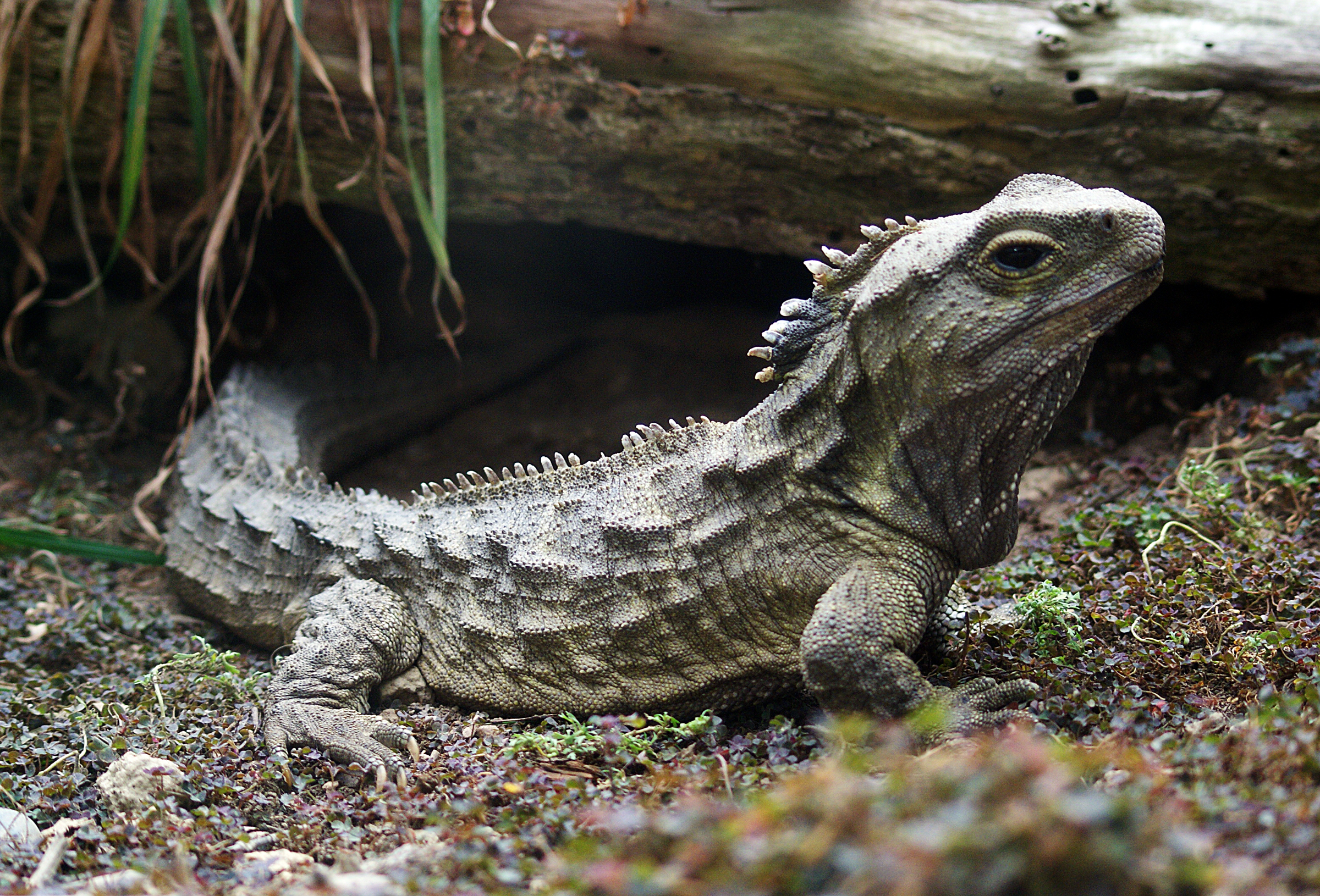
As vulnerable as these ecosystems can be, the isolation of an island can also offer protection when extinction strikes mainland ecosystems. In such cases, an island serves as a refugium. On Wrangel Island, for example, woolly mammoths held on for thousands of years even after their continental cousins had all vanished.
Other links
How can animals raft to new islands?
—
If you enjoyed this topic and want more like it, check out these related episodes:
- Episode 50 – Australia
- Episode 40 – Madagascar
- Episode 86 – New Zealand
- Episode 119 – India
- Episode 144 – Evolutionary Gigantism and Dwarfism
We also invite you to follow us on Twitter, Facebook, or Instagram, buy merch at our Zazzle store, join our Discord server, or consider supporting us with a one-time PayPal donation or on Patreon to get bonus recordings and other goodies!
Please feel free to contact us with comments, questions, or topic suggestions, and to rate and review us on iTunes!


Leave a comment