
Listen to Episode 236 on Podbean, YouTube, Spotify, or wherever you listen to your favorite podcasts!
Among all of the ancient mammals, few are as unusual as the “gorilla-horses” who swapped their hooves for claws. This episode, we discuss the long confusing history of Chalicotheres.
In the news
Let’s Botanize: 101 Ways to Connect with Plants
More evidence that Prototaxites might not be a fungus at all
Giant kangaroos might have been hoppers after all
Gorilla-Horses
Chalicotheres are an extinct group of perissodactyls – the same lineage that includes horses, rhinos, and tapirs. These extinct mammals are famously mysterious, with a scarce fossil record and very unusual anatomy.
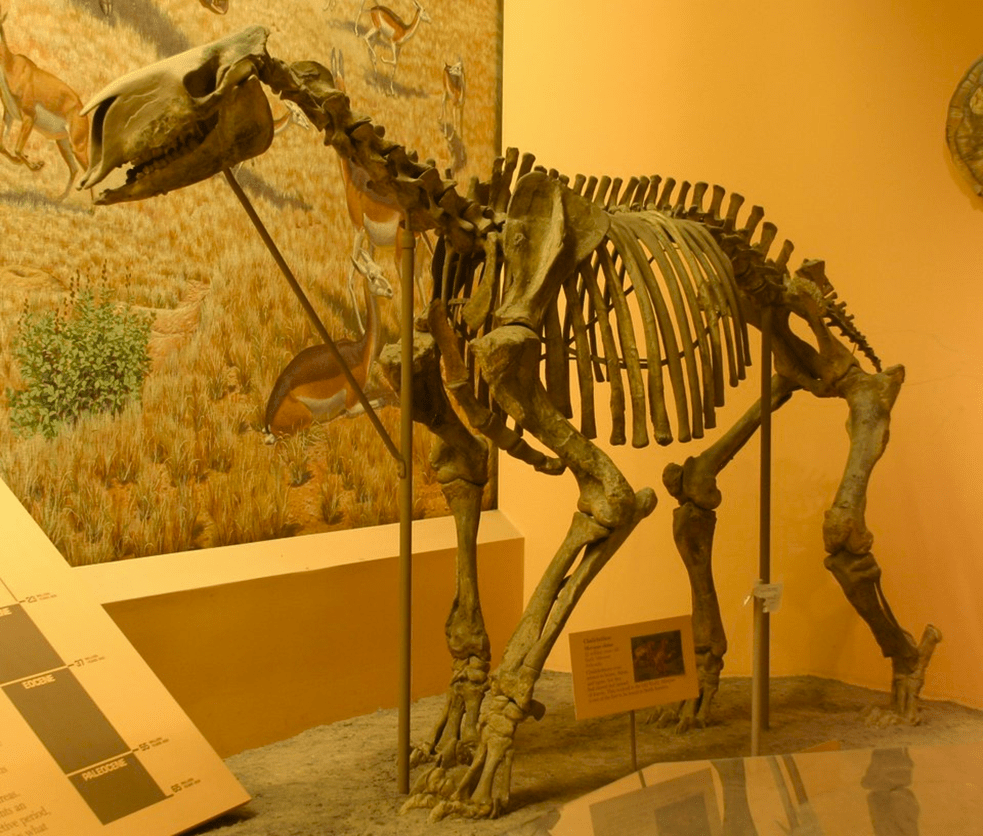
Like their cousins, chalicotheres were large, quadrupedal herbivores. Unlike other perissodactyls, these had clawed feet instead of hooves – some appear to have been able to bend their claws back out of the way while walking on their toes, while others are thought to have curled their claws inward and knuckle-walked like gorillas. Some species had arms that were significantly longer than their hind legs, giving them a sloped – again, gorilla-like – posture.
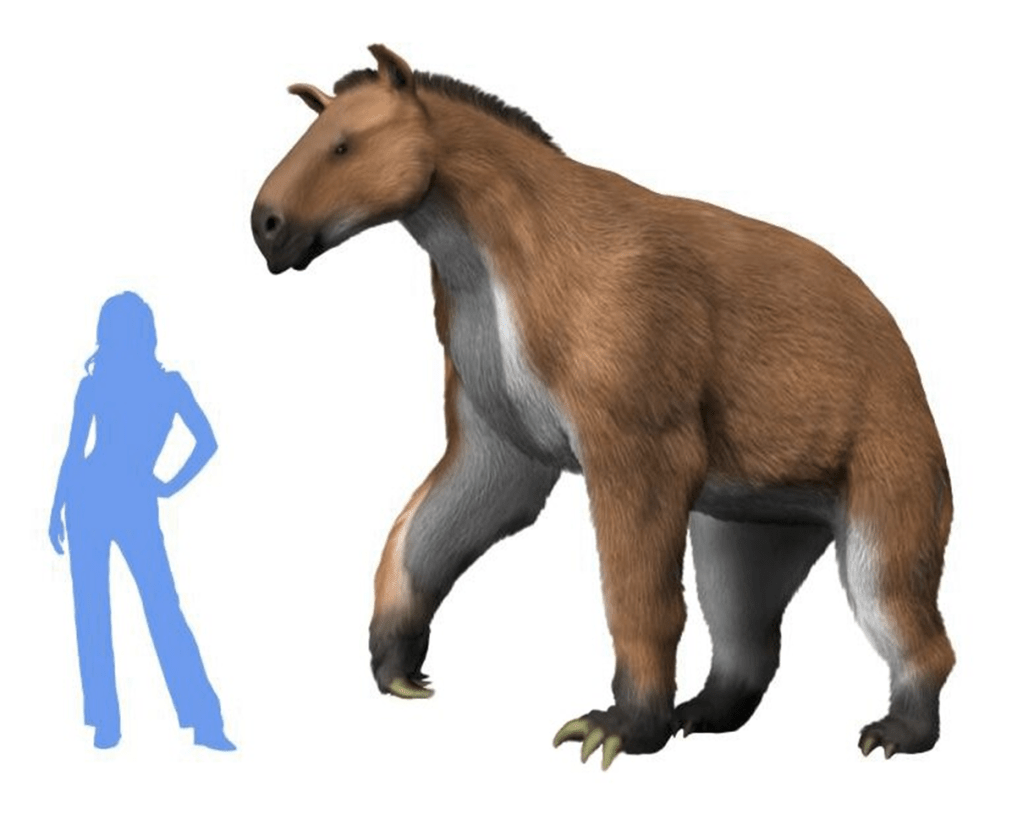
Chalicotheres are known mostly from fossil teeth and claws, but these scant remains range across North America, Europe, Asia, and Africa, as far back as the Eocene, around 50 million years ago.
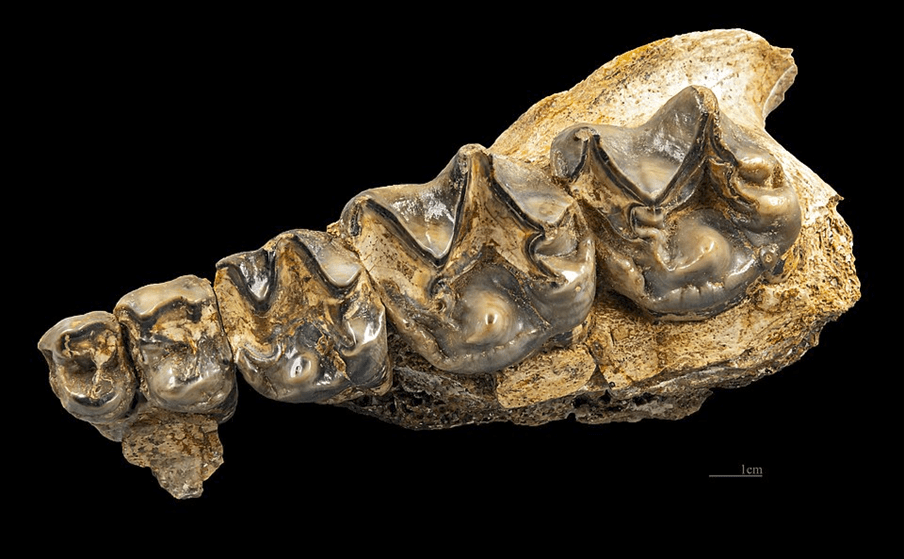
Among the most notable achievements of chalicotheres is that they confused paleontologists for decades. For a long time, scientists identified chalicothere teeth and claws as belonging to separate animals. Later, after more complete skeletons were discovered, scientists debated intensely about where chalicotheres fit on the tree of life before ultimately settling on perissodactyls.
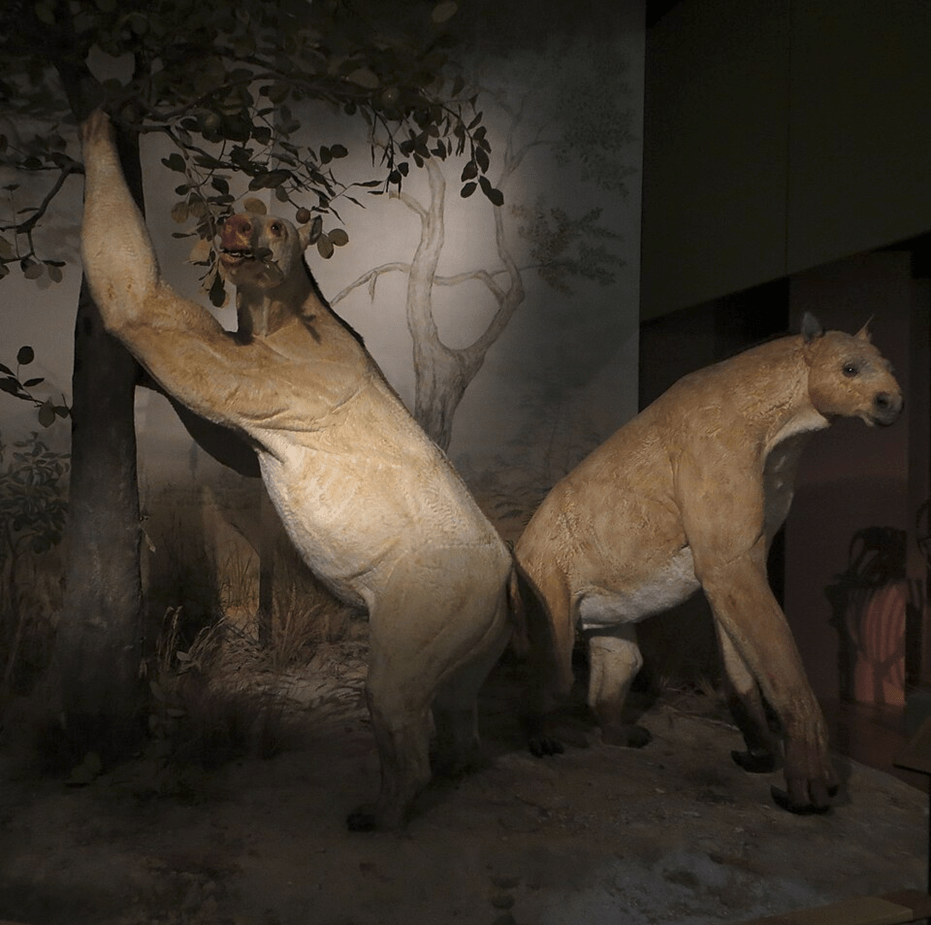
Even more mysterious is chalicotheres’ lifestyle. Given their odd proportions and large claws, they are often compared to animals like bears, gorillas, and ground sloths, probably capable of rearing on their hind legs and using their arms to pull in branches. Those comparisons are just approximations, though; with their unique combination of traits, chalicotheres probably lived a lifestyle unlike any living animals.
Learn More
The curious chalicotheres
The last of its kind – Twilight Beasts
The origin of chalicotheres (technical, open access)
Chalicothere coexistence in Europe (technical, open access)
Reconstructing an incomparable organism: the Chalicothere in nineteenth and early-twentieth century palaeontology (technical, paywall)
__
If you enjoyed this topic and want more like it, check out these related episodes:
We also invite you to follow us on Facebook or Instagram, buy merch at our Zazzle store, join our Discord server, or consider supporting us with a one-time PayPal donation or on Patreon to get bonus recordings and other goodies!
Please feel free to contact us with comments, questions, or topic suggestions, and to rate and review us on Spotify or Apple Podcasts!
 The Common Descent Podcast


Leave a comment