
Listen to Episode 241 on Podbean, YouTube, Spotify, or wherever you listen to your favorite podcasts!
The world is full of food. To make the most of it, living organisms need to break it down and extract the useful nutrients. This episode, we explore the incredible diversity of Digestion.
In the news
Jaw biomechanics of marine predators of the Western Interior Seaway
The hearing abilities of coelacanth lungs
Cambrian claws provide the earliest evidence of chelicerates
The late diversification of squids and cuttlefish
Om nom nom
Digestion is the process by which living organisms break down organic materials into ingredients that can be used by the body.
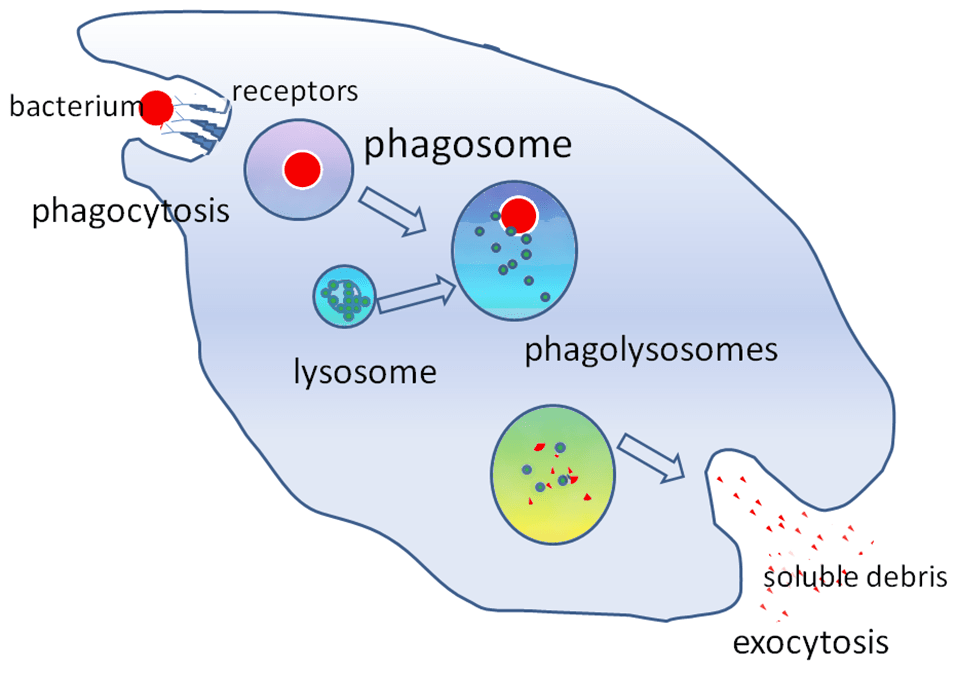
In single-celled organisms, digestion can be fairly straightforward. Food particles are drawn into the cell to be broken down, extracted nutrients are distributed across the cell, and waste particles are ejected. In complex animals like ourselves, the same general process is handled by a whole suite of organs we call the digestive system.
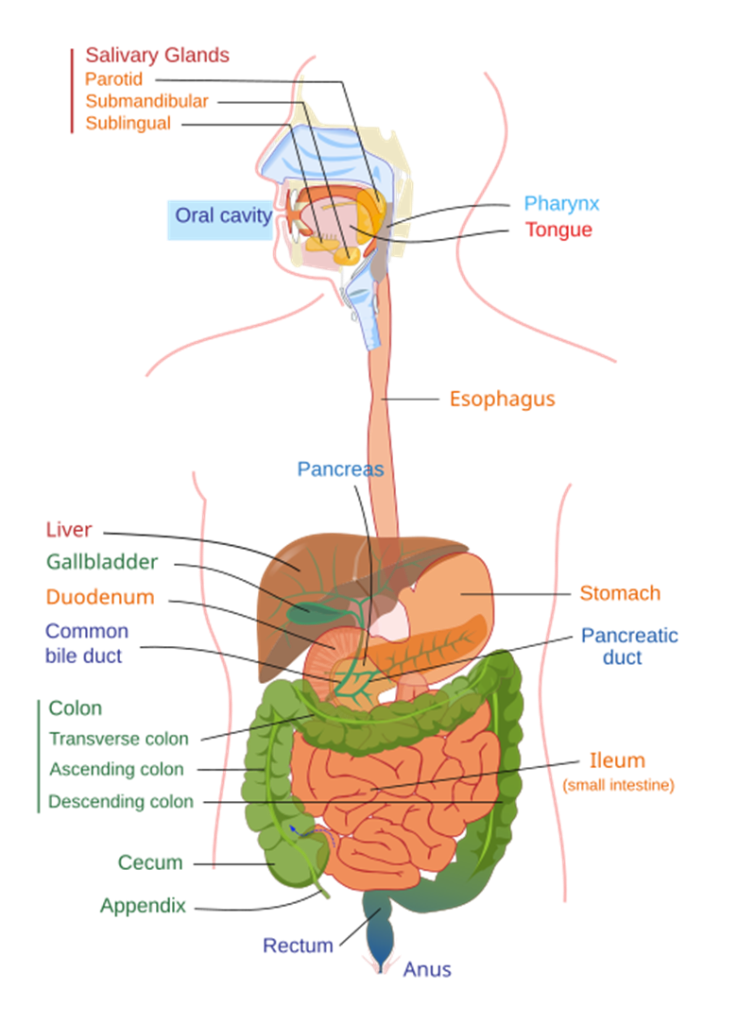
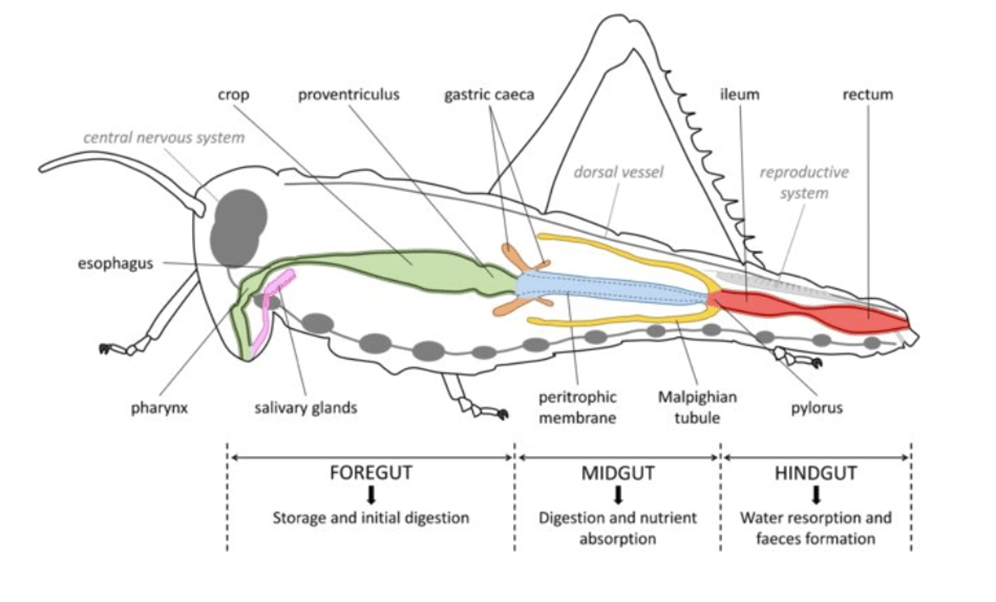
The process of digestion varies widely across living organisms. Herbivorous mammals have expansive guts with built-in fermentation chambers full of microbes to digest plant material. Carnivorous plants break down their food using very similar enzymes to the ones in our stomachs. Spiders and fungi both employ external digestion, where they secrete fluids to break down food before ingesting it. Sea anemones have a two-way digestive system where food enters and waste exits through the same hole, while animals like owls and egg-eating snakes expel food waste at both ends of their digestive system. The list of digestive strategies goes on and on.
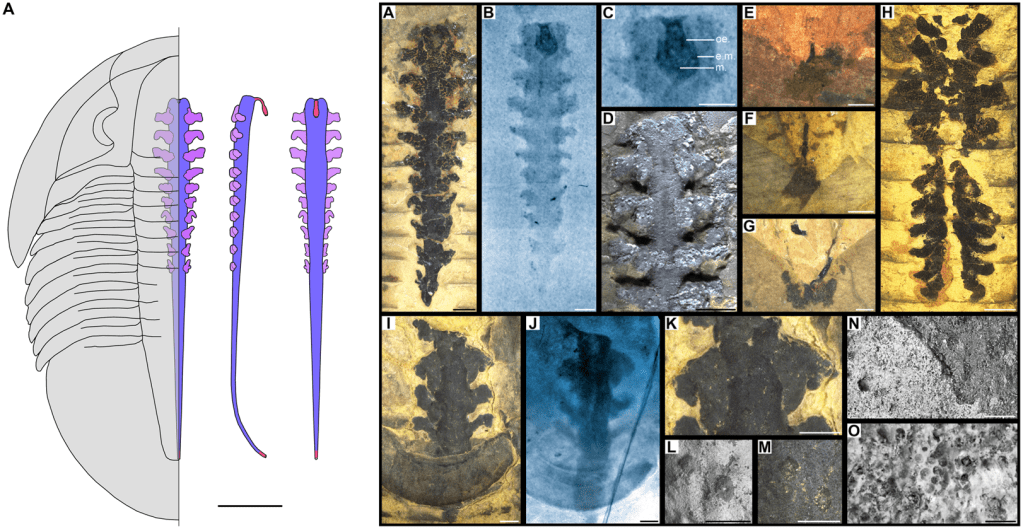
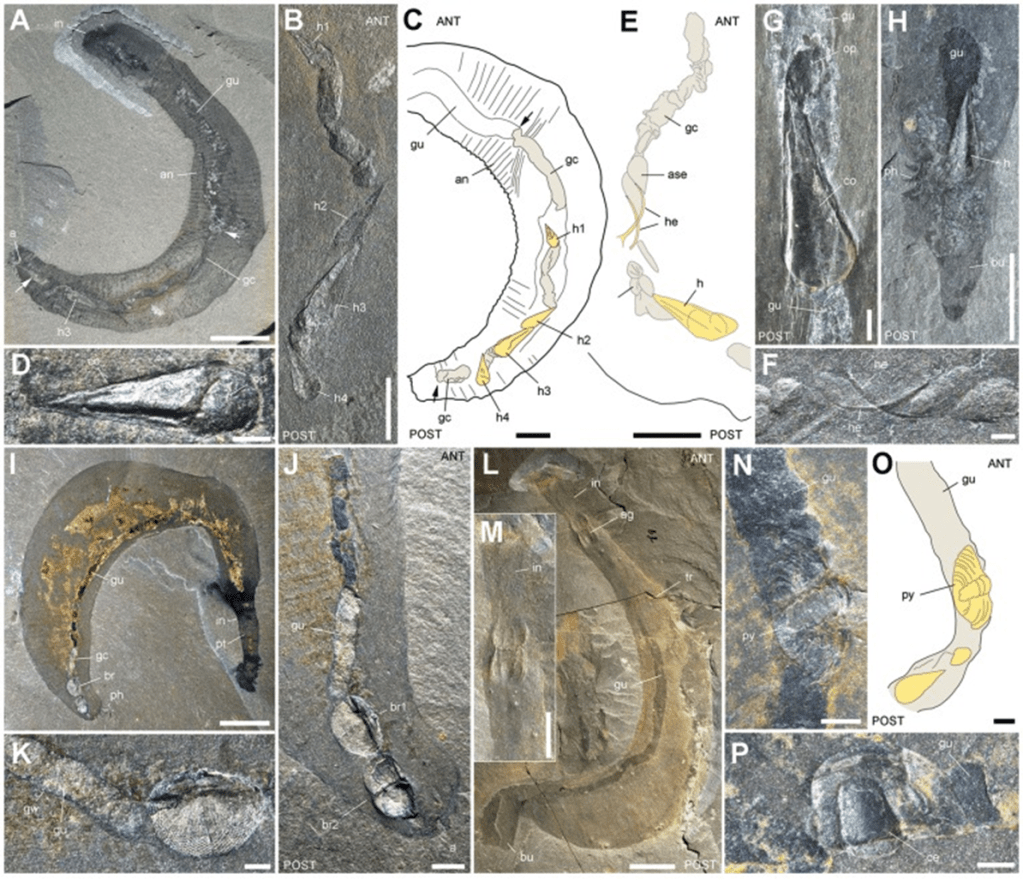
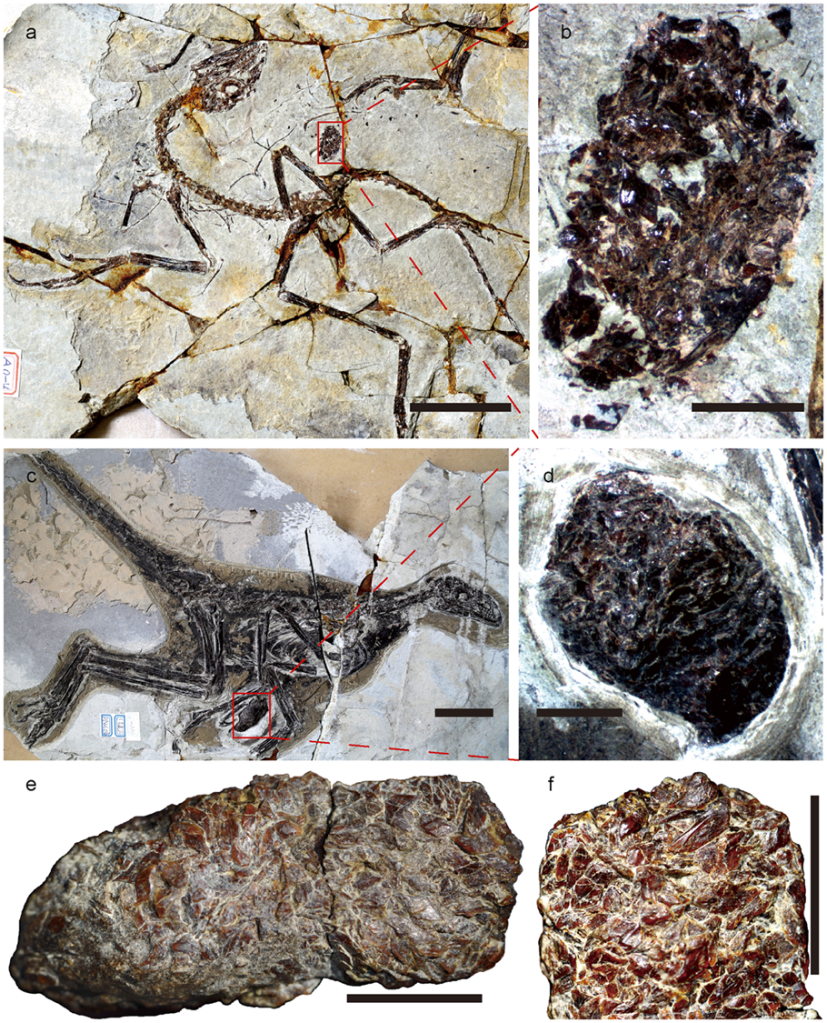
Digestive organs rarely preserve in the fossil record, but there are exceptions, sometimes even preserving gut contents that give us clues to ancient diets. The chemistry, shape, and contents of gut remains, fossilized pellets, and coprolites (fossilized poop) can all provide information about the behavior of ancient animals’ digestive tracts.
Learn more
NIH – Your Digestive System & How it Works
Structure, development and evolution of the digestive system (technical, open access)
This amoeba eats prey like owls do
The digestive systems of carnivorous plants (technical, open access)
Exceptional dinosaur fossils and the origin of avian-style digestion (technical, open access)
Gut contents illuminate trilobite palaeophysiology (technical, open access)
Guts, gut contents, and feeding strategies of Ediacaran animals (technical, open access)
__
If you enjoyed this topic and want more like it, check out these related episodes:
We also invite you to follow us on Facebook or Instagram, buy merch at our Zazzle store, join our Discord server, or consider supporting us with a one-time PayPal donation or on Patreon to get bonus recordings and other goodies!
Please feel free to contact us with comments, questions, or topic suggestions, and to rate and review us on Spotify or Apple Podcasts!
 The Common Descent Podcast


Leave a comment