
Listen to Episode 206 on PodBean, YouTube, Spotify, or wherever you listen to your favorite podcasts!
Evolution involves lots of innovation of new traits, and even more reduction of old traits. This episode, we explore the diversity and evolution of Vestigial Structures.
In the news
Tunisian fossil is the largest ever worm lizard
Bird drumstick evolution grants them impressive leg mobility
Dinosaur poop tracks ecosystem change in the early Mesozoic
New species is a transitional “sword-tailed” pterosaur
Evolutionary Leftovers
Vestigial structures are features of organisms that are non-functional (or less functional) remnants of an ancestral feature. Famous examples include our tail bone (the tiny, largely unimportant skeletal remains of our ancestors’ tails) and the hip bones of whales (which their ancestors used for supporting hind limbs that are no longer present).
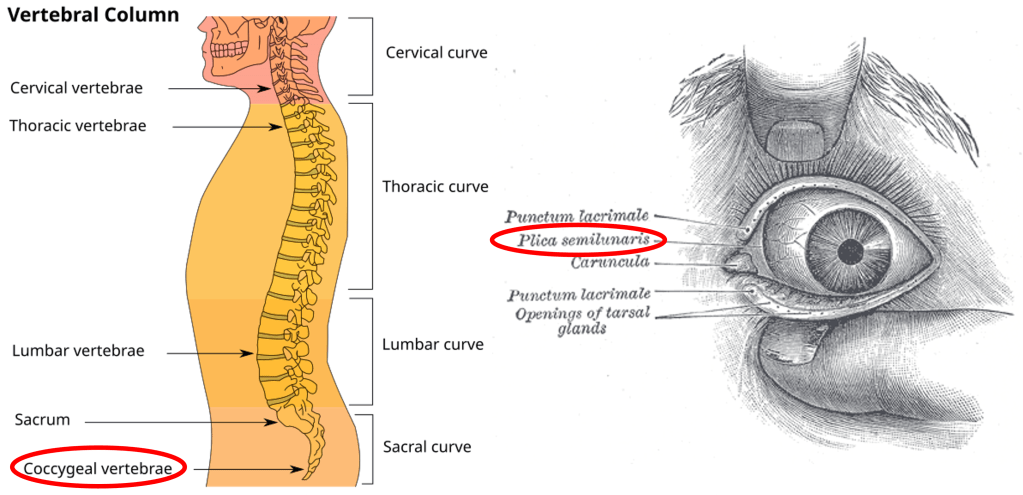
Top: Human vertebral column, highlighting the coccyx (tail bone). Image: Public Domain
Bottom: Parts of the human eye, highlighting the plica semilunaris, the remnant of our ancestral nictitating membrane (“third eyelid”). Image: Public Domain
Vestigial structures provide some of the clearest evidences of evolution, and during the 1700s-1800s, study of these features played a key role in the development of evolutionary theory. Still today, scientists examine vestigial traits to learn about the ancestry of species. In some cases, we’re even able to compare modern vestigial structures with fossil remains of their more functional predecessors, such as with the hind limbs of whales and snakes, which have become reduced over time.

Top: Vestigial pelvic bones of a baleen whale. Image by Andrew Z. Colvin, CC BY-SA 3.0
Bottom: Close-up of the pelvic spurs of a Boa constrictor. Image by Stefan3345, CC BY-SA 4.0
The reduction of old features (vestigialization) is extremely common, likely many times more common than the development of new features. A trait might become reduced if it becomes detrimental for some reason, or if it becomes unimportant enough that random reductive mutations don’t cause any significant problems for the organism. In most cases of vestigial structures, both of these are probably true to some degree.

Some vestigial structures eventually disappear completely (most living snakes have no remnants of their hind limbs), while others might stick around for a long time, especially if they aren’t causing major problems (like our appendix … mostly). But in some cases, vestigial structures can form the foundation for new features. A classic example: early in mammal evolution, several bones in the back of the jaw gradually shrank and became vestigial, but before they disappeared completely, three of them were evolutionarily repurposed into our three inner ear bones.
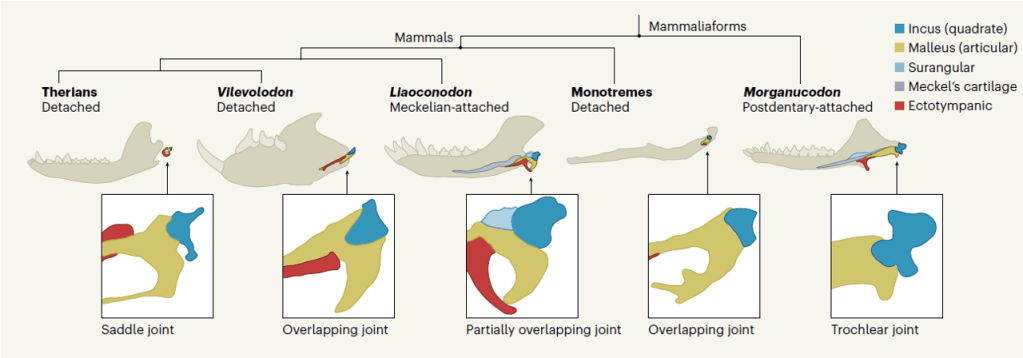
Image from Hoffman, 2021
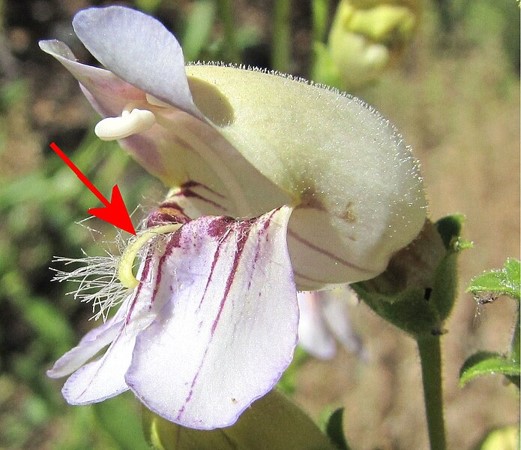
Image by Davefoc, CC BY-SA 3.0
In some cases, reduced or lost traits can return as an atavism. Stick insects are descended from winged insects, but along the way, they lost their wings. However, some lineages still retain the full genetic pathway for wing development, even though those genes aren’t activated to produce wings – this is, in effect, a vestigial genetic system. But in some species, that genetic system has been “turned on” again, producing winged stick insects.
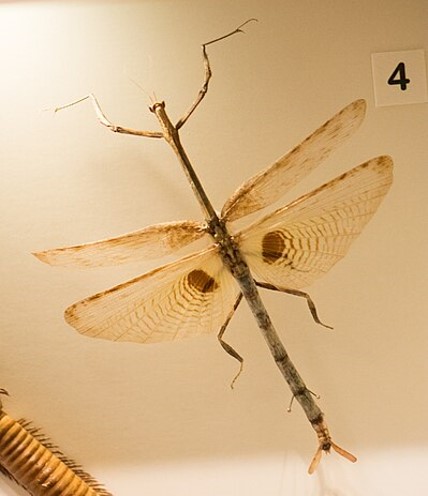
Learn More
Vestigial Structures: What Are They, Examples, and More
Natural selection versus neutral mutation in the evolution of subterranean life: A false dichotomy? (technical, open access)
Vestigial organs as opportunities for functional innovation: the example of the Penstemon staminode (technical, open access)
On the fate of sexual traits under asexuality (technical, open access)
The persistence and evolutionary consequences of vestigial behaviours (technical, open access)
__
If you enjoyed this topic and want more like it, check out these related episodes:
We also invite you to follow us on Facebook or Instagram, buy merch at our Zazzle store, join our Discord server, or consider supporting us with a one-time PayPal donation or on Patreon to get bonus recordings and other goodies!
Please feel free to contact us with comments, questions, or topic suggestions, and to rate and review us on Spotify or Apple Podcasts!
 The Common Descent Podcast


Leave a comment