
Listen to Episode 36 on PodBean, Spotify, YouTube, or your favorite podcast source!
In this episode we dive into the concept of reefs. Reefs today are one of the most crucial environments in the oceans. They promote extremely high biodiversity and protect coast lines. Today we are accustomed to coral reefs, but throughout history many organisms have built reefs that proved just as important to ancient ocean life.
In the news:
Evidence of bone-crushing diet in ancient dogs.
More evidence that the K-Pg asteroid triggered a period of global warming.
A fossil tick was wrapped in spider silk before being preserved in amber.
Ground dwelling birds may have been the ones that survived the Cretaceous.
What is a reef?
A reef is technically just a shallow ridge that reaches near or above the ocean’s surface. This means that there are actually a number of things that can count as reefs, typically falling into three categories: inorganic, artificial, and organic.

Inorganic reefs include rock structures and sand bars. Artificial reefs are built by humans for various purposes including agriculture, wave protection, conservation, and even to make more ideal surfing waves. Organic reefs are those built gradually by organisms, including coral, algae, molluscs, and more.


Reefs Through Time
During the vast span of time that life has existed in the oceans, reefs have been built by a diversity of organisms going all the way back to the Cambrian (530 million years ago). Reefs have been built by ancient sponges, clams, and algae, as well as extinct and modern corals.


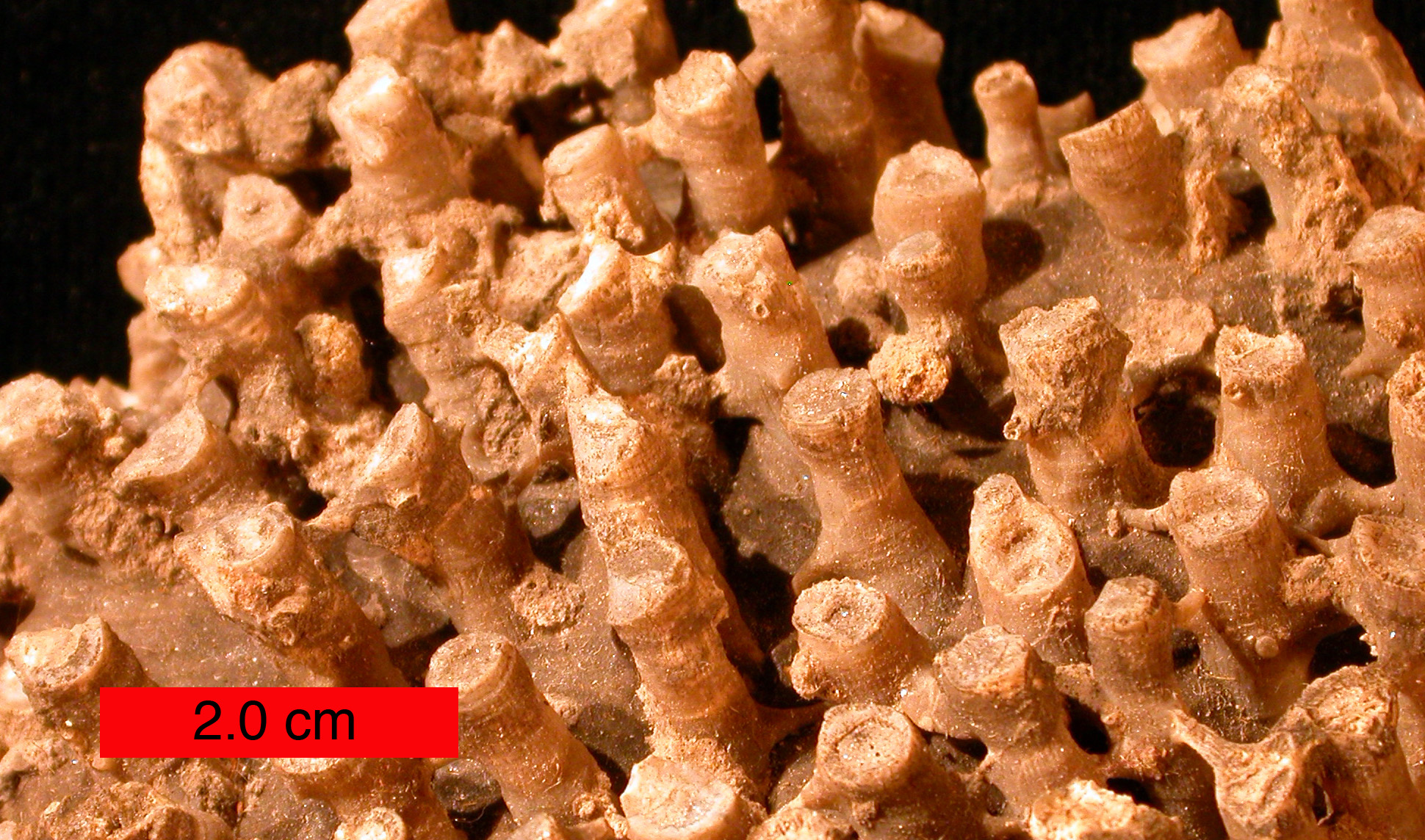
Coral Reefs
Modern reef-building corals are the stony Scleractinia. Coral is a member of the group Cnidaria, which also includes jellyfish, anemones, and sea pens. Corals are typically colonial, formed by thousands of coral polyps. The polyps build calcium carbonate skeletons to support and protect their soft bodies.
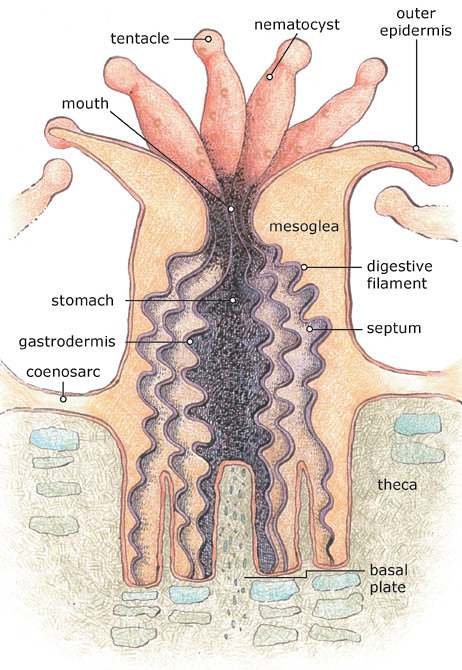

Coral can form a variety of reef types. Fringing reefs form along shores and extend like shelves. Barrier reefs stand apart from the shore, closing off a shallow lagoon. Finally atolls are barrier reefs formed around an island that has eroded away, leaving the reef as a circle enclosing a lagoon in the ocean. One reef type can actually progress into the next over time.


Conservation
Coral reefs are extremely important to modern environments and economies, but are highly threatened. Major threats include climate change, chemical and physical pollution, sediment run off, and physical damage to reef from anchors and tourism.
But there are efforts to preserve and regrow coral. A few organizations that are making efforts to save the reefs are the Coral Restoration Foundation and The Florida Aquarium.
Recent discoveries also bring some hope that coral reefs may be more resilient than previously thought. The Amazon Reef is an unexpected and beautiful example of corals surviving in harsh conditions.
Check out The Encyclopedia Earth: Coral Reef for more of an overview of coral reefs.
—
If you enjoyed this topic and want more like it, check out these related episodes:
- Episode 128 – the Deep Sea
- Episode 55 – The “Sixth Extinction” (Modern Biodiversity Crisis)
- Episode 70 – Convergent Evolution
We also invite you to follow us on Twitter, Facebook, or Instagram, buy merch at our Zazzle store, join our Discord server, or consider supporting us with a one-time PayPal donation or on Patreon to get bonus recordings and other goodies!
Please feel free to contact us with comments, questions, or topic suggestions, and to rate and review us on iTunes!


 The Common Descent Podcast
Leave a reply to Cheryl Resnick (@watch4rx) Cancel reply