
Listen to Episode 242 on Podbean, YouTube, Spotify, or wherever you listen to your favorite podcasts!
Our planet is very flammable. For hundreds of millions of years, life on Earth has evolved to survive and even thrive among the flames. This episode, we discuss the deep history and ecology of Fire.
In the news
A short-snouted Triassic crocodylomorph
The evolution of anglerfish lures
The role of behavioral flexibility in evolution
The oldest known synapsid embryo
A World on Fire
Fire is a constant feature of our planet. With enough heat, organic materials react with oxygen in a process called combustion, which produces light and more heat, which perpetuates the reaction. Every year, Earth experiences hundreds of thousands of wildfires, most commonly set off by lightning or by humans.
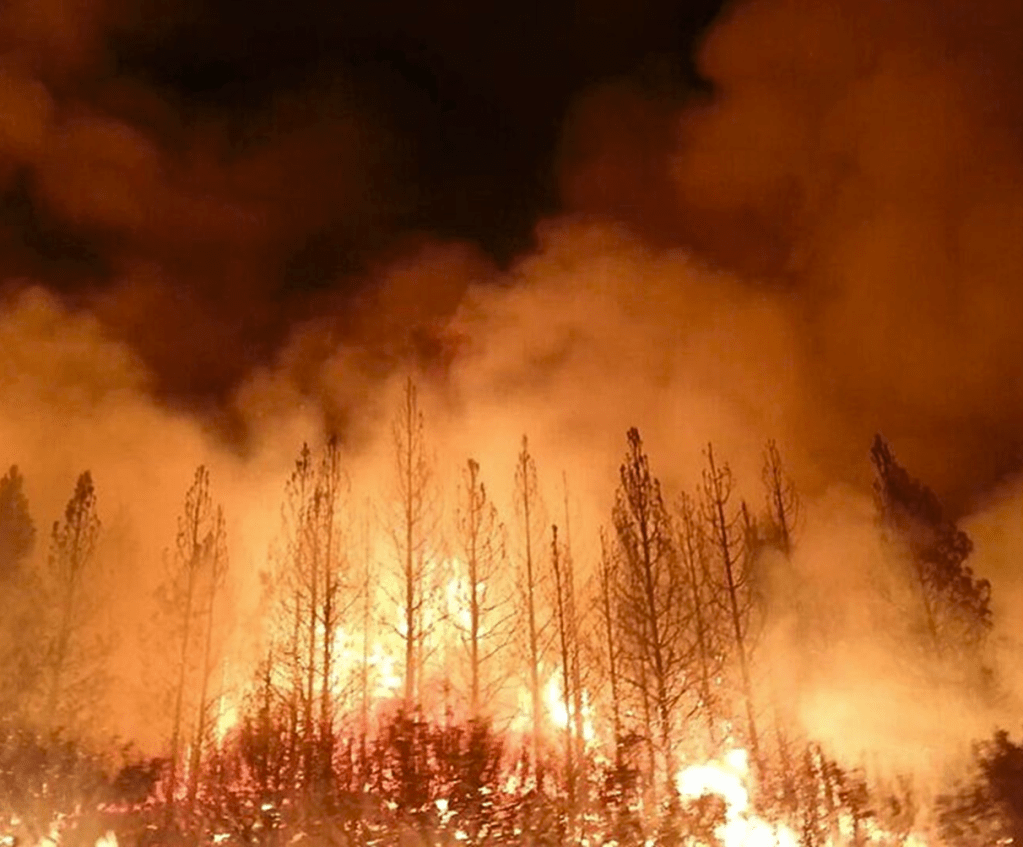
Different environments experience different patterns of fire. The most fire-prone habitats tend to be those with a wet season during which vegetation grows dense, followed by a dry season with hot and arid conditions that promote fire. Unsurprisingly, climate has a powerful impact on global fire regimes.
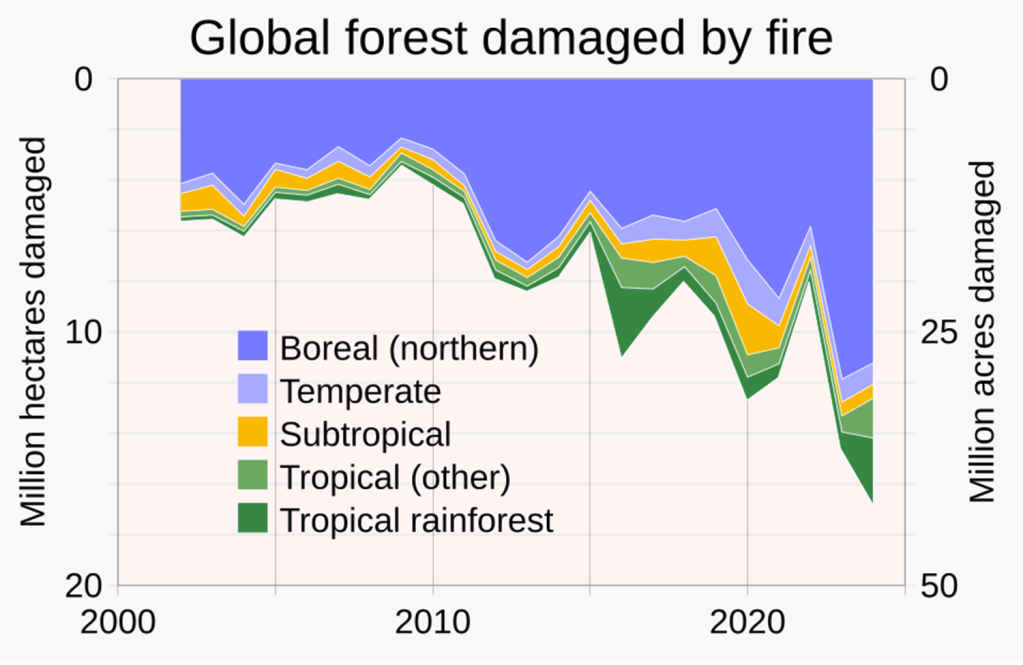
Fire can obviously be very harmful to living things, but it’s also a crucial source of rejuvenation for many ecosystems, clearing out old growth and making space for new. Many species have adaptations that allow them to avoid fire or to take advantage of it. Several types of plants, insects, birds and others are known to thrive in recently-burned habitats.
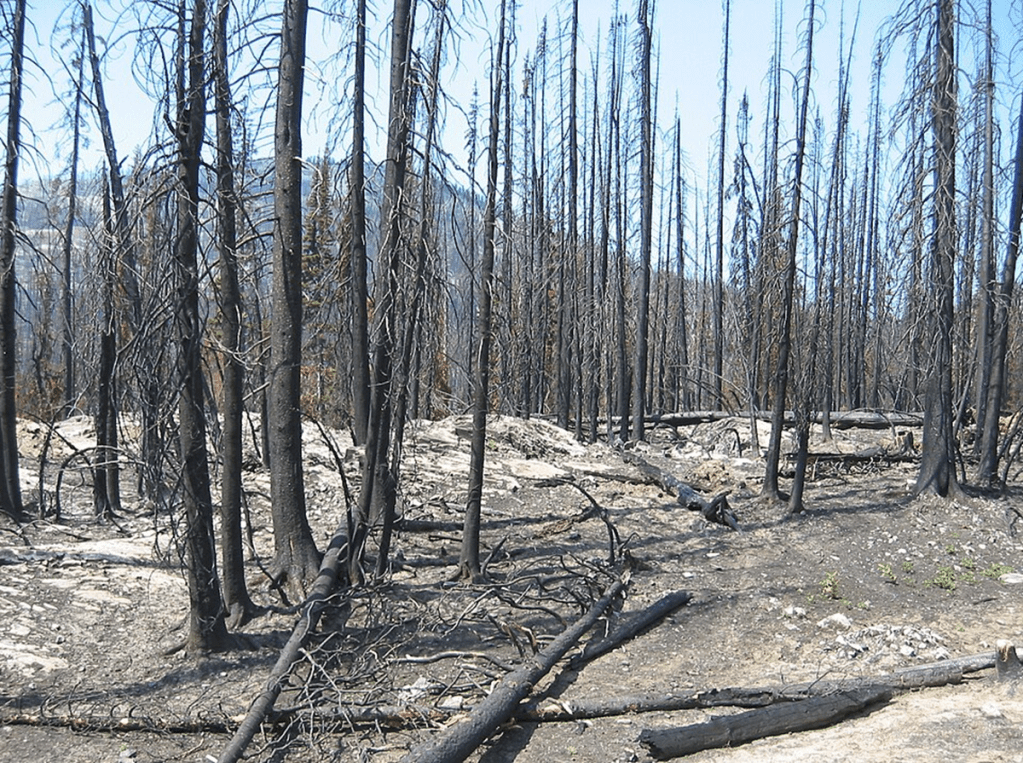
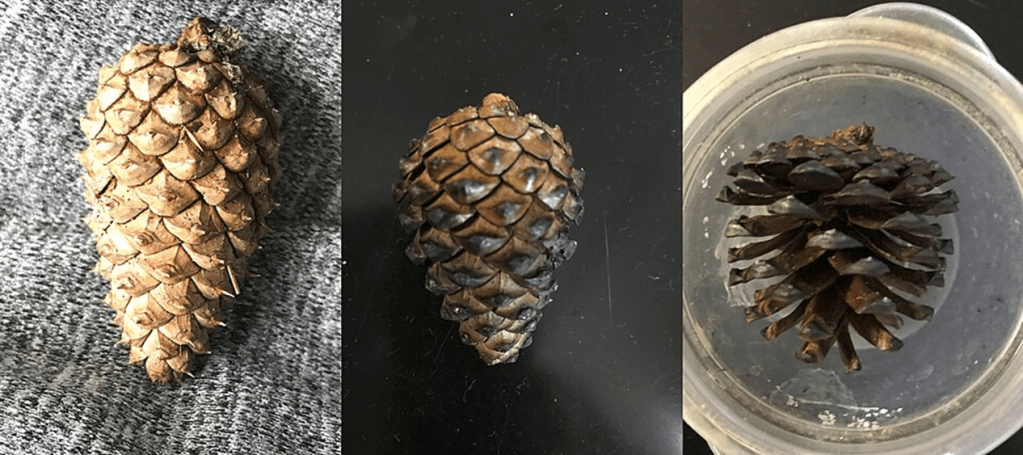
Many plants grow rapidly in burned habitats, taking advantage of the abundant sunlight and the lack of competition. Some plants even rely on fire to trigger reproduction, including fire lilies whose seeds germinate in the presence of smoke and pine cones which open when burned by fire.
Many animals prefer to hunt in the relatively open environments of burned habitats, while others are camouflaged against the dark wood of charred plants. Some species actively head toward fires, including many predatory birds that feed on injured or fleeing animals or fire beetles which mate near flames and lay their eggs in burned wood.
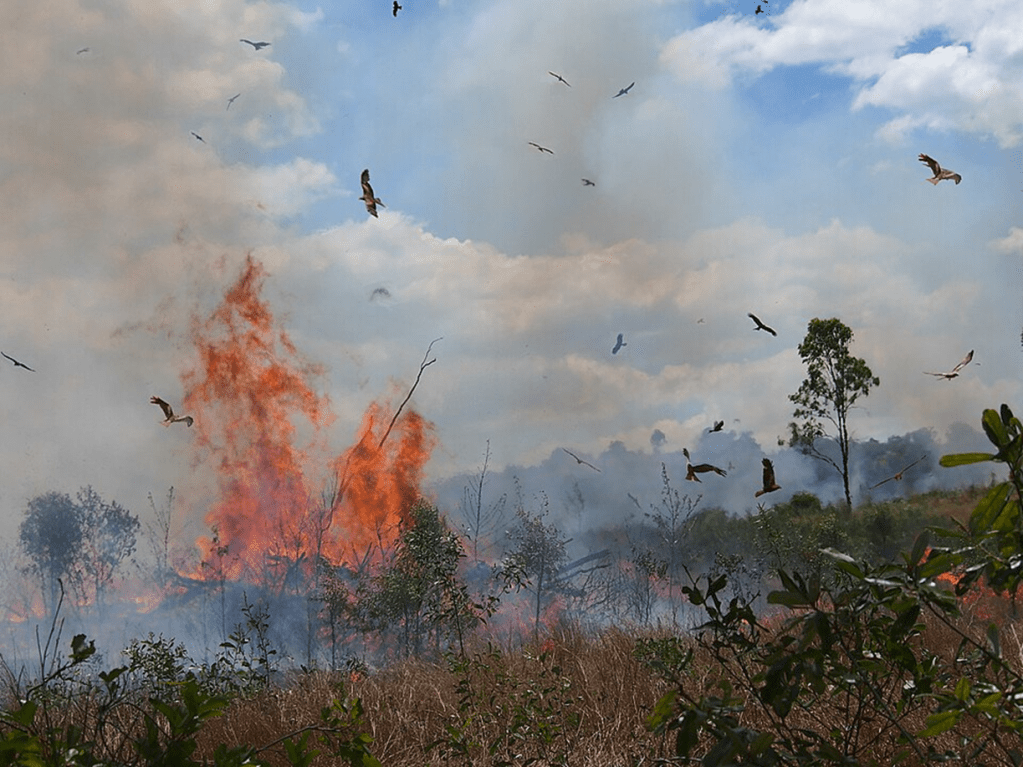
Wildfires leave evidence in the fossil record in the form of charred plants and charcoal. The composition of charcoal can even provide information about the environment where the fire occurred or the temperature of the flames.
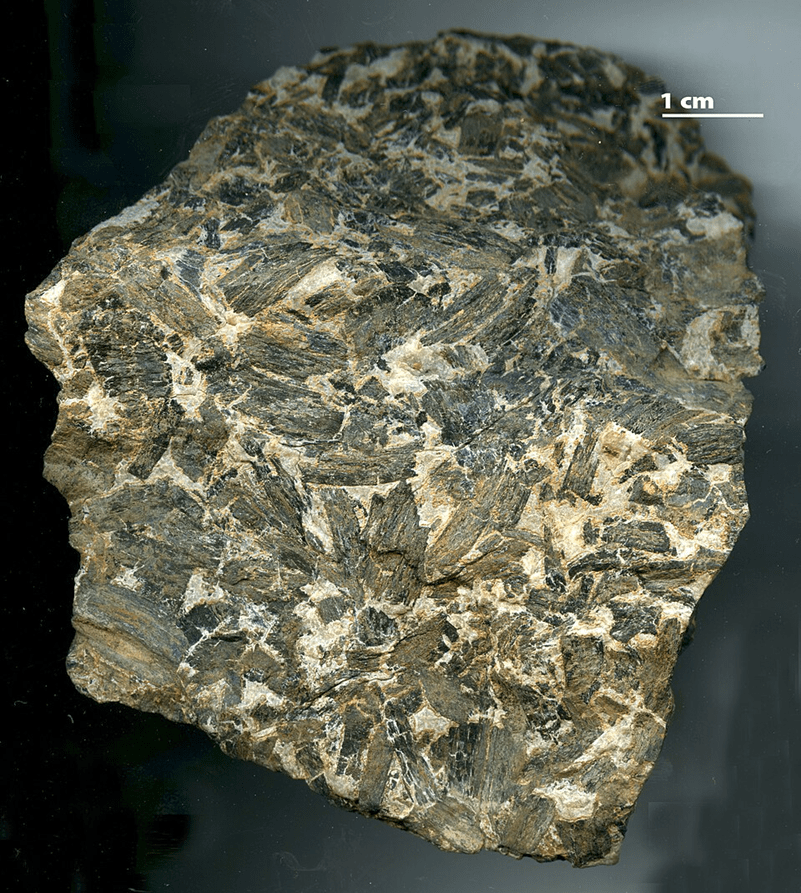
The earliest evidence for wildfires comes from the Silurian Period, about 430 million years ago. Before then, the surface of the Earth didn’t host enough plants to provide fuel for fires, and the atmosphere didn’t contain enough oxygen for consistent combustion. In the modern world, fire is ubiquitous, but for the first four billion years of Earth history, our planet was fire-free.
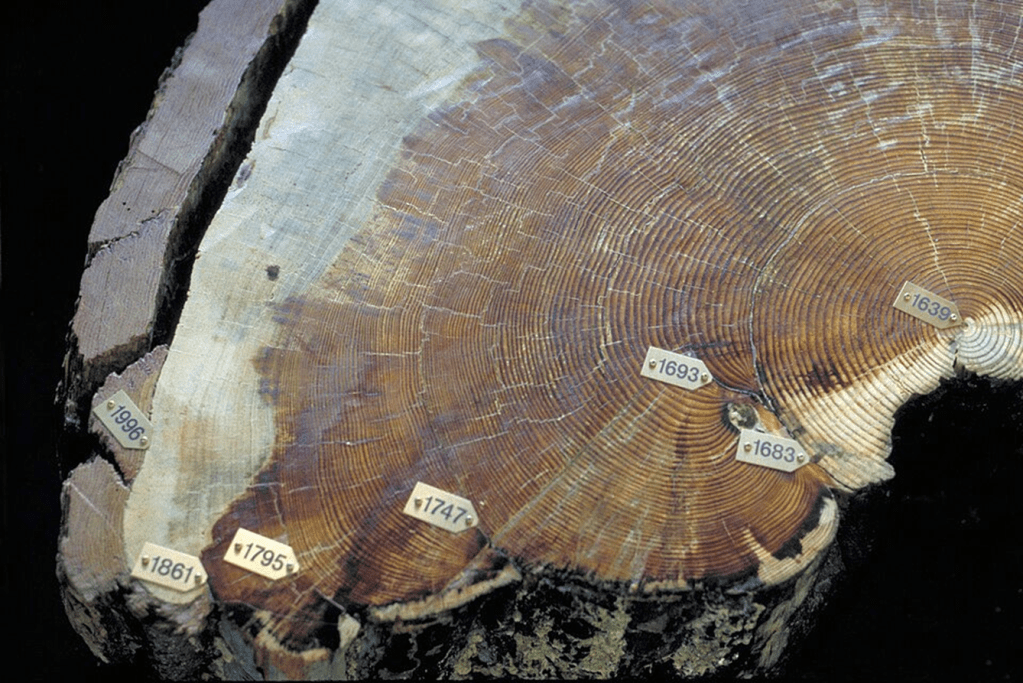
In the Late Paleozoic, with vast forests and record-high atmospheric oxygen, fire was extremely abundant. Charcoal in coal beds attests to regular wildfires even in wetlands. Researchers refer to this time period as a “high fire world.” Later time periods also exhibited pulses of fire activity, often associated with high oxygen levels, changing climate regimes, and abundant rapidly-growing plants.
Learn more
Evolutionary Ecology of Fire (technical, open access)
Forest Fire in the Fossil Record (technical, open access)
The discovery of fire by humans (technical, open access)
__
If you enjoyed this topic and want more like it, check out these related episodes:
- Episode 75 – The Great Oxidation Event
- Episode 131 – Volcanoes
- Episode 225 – Forests
- Leaf it to Us – Plants and Fire
We also invite you to follow us on Facebook or Instagram, buy merch at our Zazzle store, join our Discord server, or consider supporting us with a one-time PayPal donation or on Patreon to get bonus recordings and other goodies!
Please feel free to contact us with comments, questions, or topic suggestions, and to rate and review us on Spotify or Apple Podcasts!


Leave a Reply