
Listen to Episode 244 on Podbean, YouTube, Spotify, or wherever you listen to your favorite podcasts!
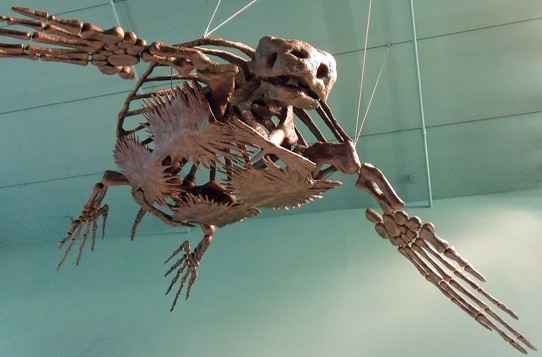
They’re the one lineage carrying on the legacy of the giant Mesozoic marine reptiles. This episode, we explore the modern and fossil diversity of Sea Turtles.
In the news
Late-surviving stem tetrapod with a twisted jaw
Early aquatic centipede-cousins had legs for walking
Ediacaran “burrows” are actually microbial structures
Neanderthals might have drilled a cavity 59,000 years ago
Turtles of the Sea
Most modern turtle species are pretty good in the water, and many can even manage coastal habitats, but only seven living species are truly sea turtles. These species belong to two families: the hard-backed sea turtles, Cheloniidae, and the single species of leatherback sea turtle in Dermochelyidae.
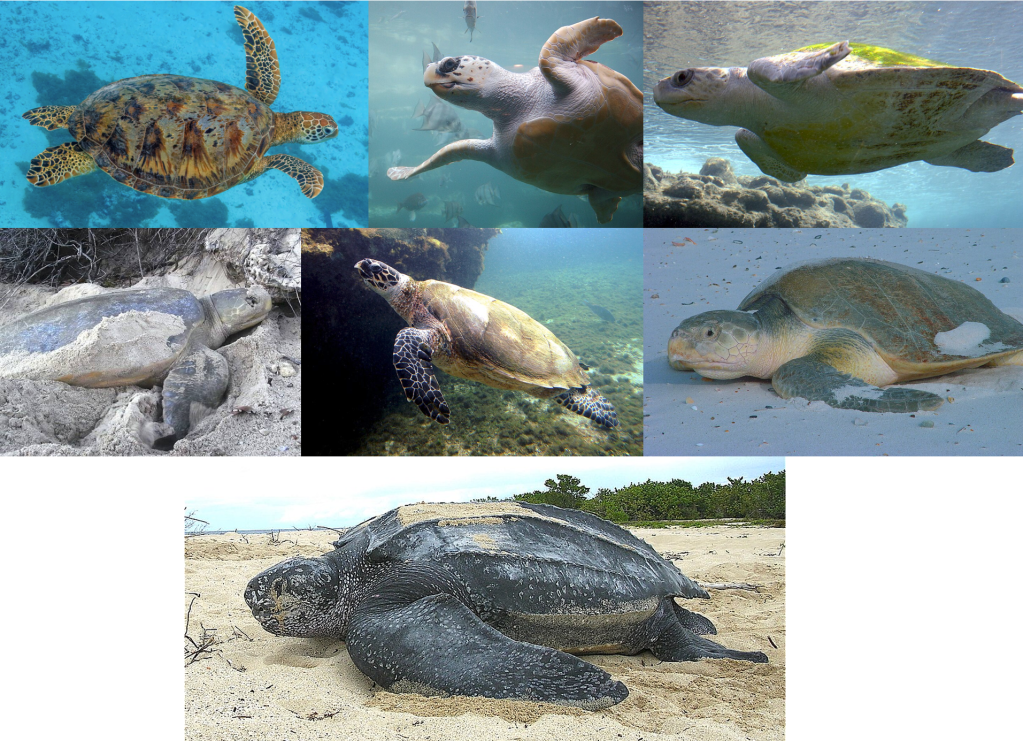
Top left: Green sea turtle (Chelonia mydas). Image by Charles J. Sharp, CC BY-SA 4.0
Top middle: Loggerhead sea turtle (Caretta caretta). Image by Ukanda, CC BY 2.0
Top right: Olive Ridley sea turtle (Lepidochelys olivacea). Image by Thierry Caro, CC BY-SA 3.0
Center left: Flatback sea turtle (Natator depressus). Image by Lyndie Malan, CC BY-SA 3.0
Center middle: Hawskbill sea turtle (Eretmochelys imbricata). Image by Thierry Caro, CC BY-SA 3.0
Center right: Kemp’s Ridley sea turtle (Lepidochelys kempii). Image by US Fish & Wildlife, CC BY 2.0
Bottom: Leatherback sea turtle (Dermatochelys coriacea). Image by US Fish & Wildlife, CC BY 2.0
Sea turtles generally have large flipper-like limbs, a streamlined carapace, salt glands, and large bodies, up to the two-meter-long leatherback sea turtles, the largest living turtles. Sea turtles all famously crawl onto beaches to lay their eggs, and newborns upon hatching scuttle to the ocean and spend their early lives (usually) feeding on soft plankton in the open seas before (usually) shifting to an adult diet of coastal seafloor food.
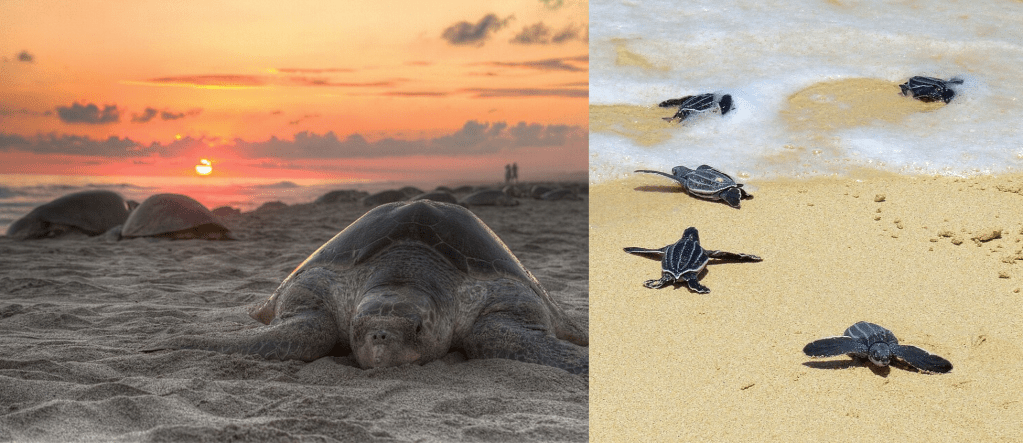
Right: Newborn leatherback sea turtles crawling to the sea. Image by US Fish & Wildlife, CC BY 2.0
Fossil turtles are known from marine environments all the way back to their origins in the Triassic Period. The first known lineage of fully marine turtles are the Jurassic Thalassochelyidae. They are followed by several more marine turtle groups in the Cretaceous Period, including ocean-dwelling side-necked turtles and early members of the modern sea turtle lineage, as well as the largest turtles in Earth history, members of the family Protostegidae which could grow over four meters long.
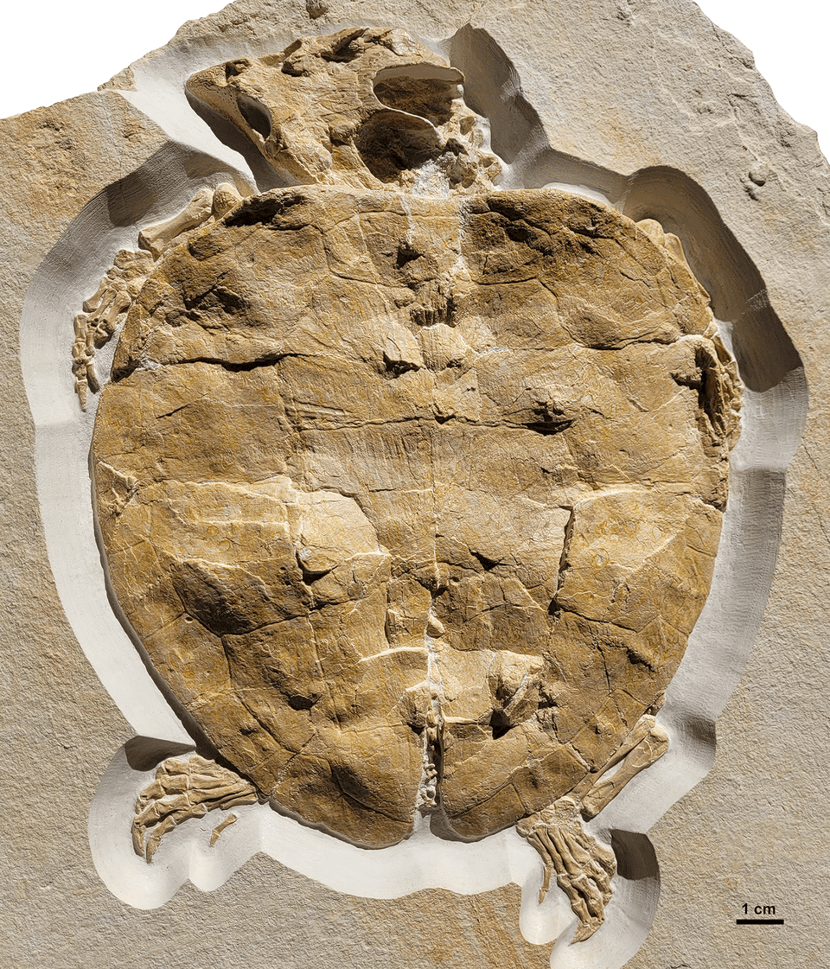
The oceanic habits of ancient marine turtles are commonly identified by their presence in ancient ocean deposits alongside other marine species. In well-preserved fossils, physical adaptations can be identified, such as their flipper-like limbs, reduced shell structure, and spaces within their skulls for specialized salt glands.
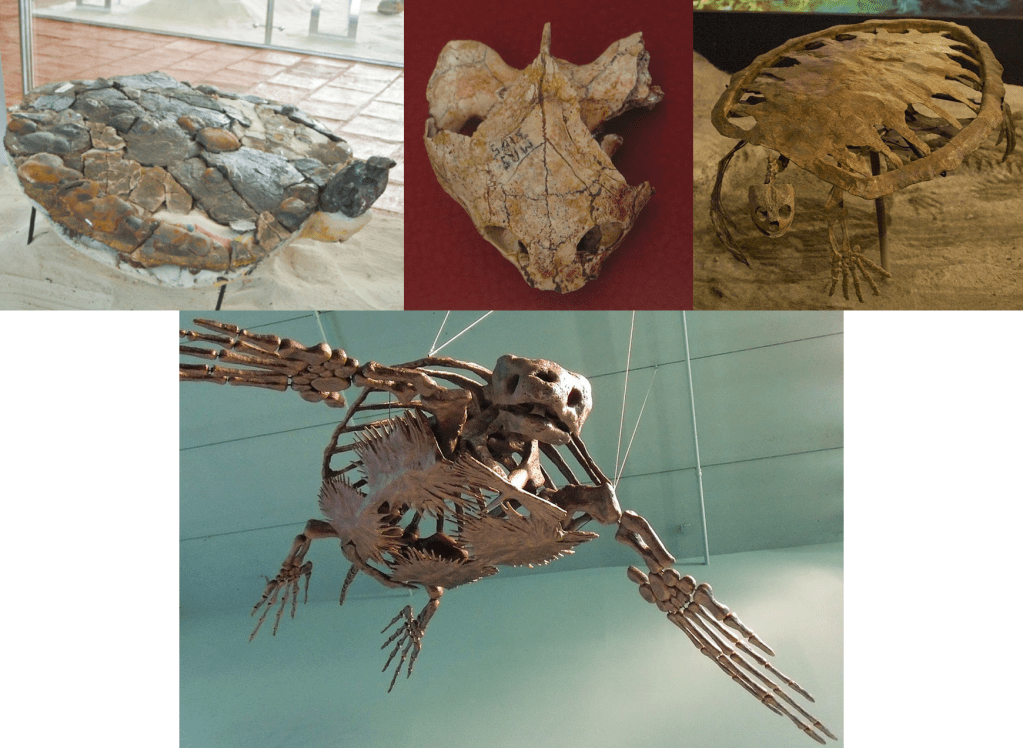
Top left: Leviachelys from Colombia, a member of the family Sandowniidae. Image from Cadena 2015
Top middle: Skull of Galianemys from Morocco, part of the side-necked turtle lineage Bothremydidae. Image by Ghedo, CC BY-SA 4.0
Top right: Toxochelys, an early member of the modern sea turtle lineage Chelonioidea. Image by Ed T, CC BY-SA 2.0
Bottom: Archelon, a giant marine turtle from the Western Interior Seaway of North America, part of the family Protostegidae. Image by Mike Beauregard, CC BY 2.0
By the Early Cenozoic Era, the oceans were home to early members of the modern hard-backed and leatherback sea turtle lineages, which lived alongside numerous unrelated marine turtle groups until the late part of the era. Only within the last few millions years has this long legacy of marine turtle diversity whittled down to our existing two families and seven species.
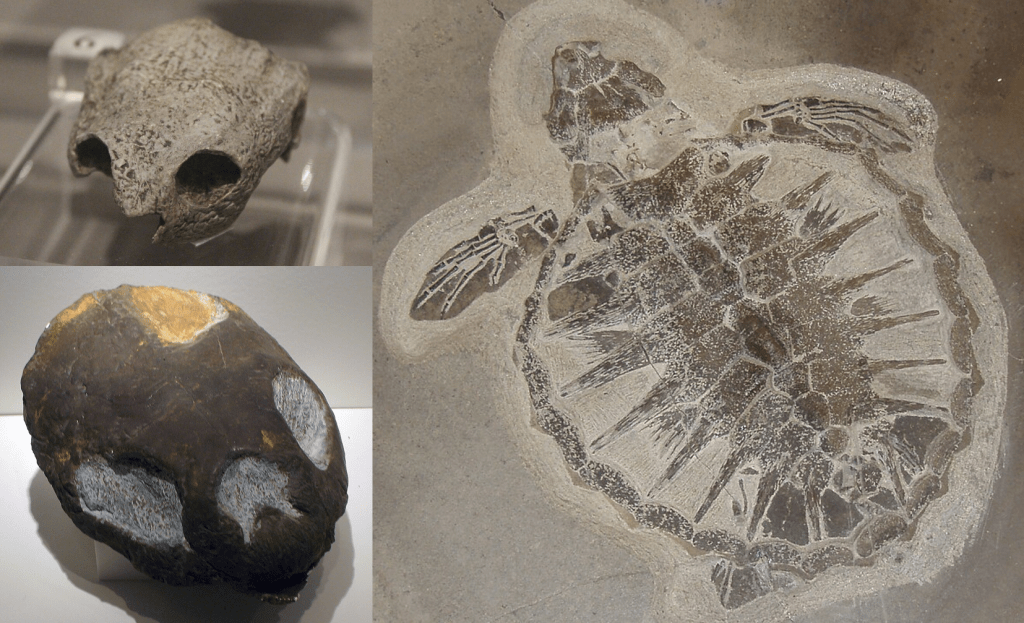
Top left: Skull of Cordichelys, member of the extinct lineage of side-necked turtles in the group Stereogenyini. Image by Jonathan Chen, CC BY-SA 4.0
Bottom left: Skull of Eosphargis, an early member of the leatherback sea turtle lineage, Dermochelyidae. Image by FunkMonk, CC BY-SA 3.0
Right: Juvenile Tasbacka, an early member of the hard-backed sea turtle lineage, Cheloniidae. Image by Rene Sylverstersen, CC BY-SA 3.0
Learn More
The State of the World’s Sea Turtles
The Evolution of Sea Turtles (technical, open access)
The Evolution of Marine Reptiles (technical, open access)
Origins of giant Cretaceous sea turtles (technical, open access)
Rapid growth in giant Cretaceous sea turtles (technical, open access)
__
If you enjoyed this topic and want more like it, check out these related episodes:
- Episode 60 – Turtles
- Episode 71 – The Western Interior Seaway
- Episode 168 – Marine Crocs
- Episode 169 – Sea Snakes
We also invite you to follow us on Facebook or Instagram, buy merch at our Zazzle store, join our Discord server, or consider supporting us with a one-time PayPal donation or on Patreon to get bonus recordings and other goodies!
Please feel free to contact us with comments, questions, or topic suggestions, and to rate and review us on Spotify or Apple Podcasts!


.jpg)


Leave a Reply